
Field-tested information for industrial millwrightsExperience in the trade since 1995

Lift. Move. Control.

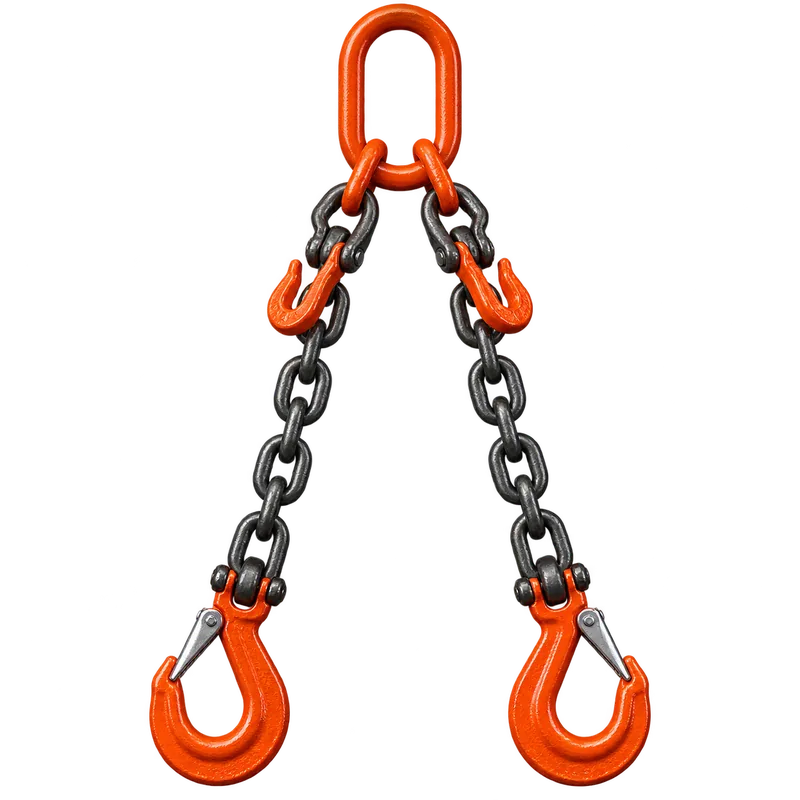
Rigging equipment for millwrights

A practical directory for machinery installation and removal, equipment positioning, plant maintenance, shutdowns and outages, pump and motor handling, turbine and generator work, erection and shop or field lifting operations.

View featured rigging equipment

Quick navigation

Jump to a tool group

Skip directly to a selection guide and its exact-product comparisons.

20 rigging-equipment groups

Select rigging from verified load information, approved lift requirements and manufacturer data. Never estimate an unknown load or substitute general guidance for a lift plan.

Lift fundamentals

Selecting Rigging for the Lift

Selection begins with verified information and lift requirements established by qualified personnel. Do not estimate an unknown load or build a lift plan from this page.

  • Verified load weightUse confirmed load information before selecting equipment.
  • Center of gravityUnderstand how the verified center of gravity affects load behavior.
  • Lift pointsUse only approved points suited to the intended load and direction.
  • Sling anglesAccount for increased sling tension as sling angles change.
  • Working load limitStay within marked WLLs for every component and configuration.
  • Hitch configurationCapacity depends on the approved vertical, basket, choker or other hitch.
  • HeadroomAllow for hoists, slings, hardware and load—not only hook height.
  • Travel distancePlan controlled travel and clearances through the approved route.
  • Environmental conditionsConsider temperature, moisture, chemicals and corrosion.
  • Sharp edgesUse required protection and follow manufacturer limitations.
  • Load controlUse approved methods to control swing, rotation and movement.
  • Equipment conditionInspect rigging and lifting equipment before service.
  • Manufacturer instructionsFollow limits, configurations and inspection criteria for the exact equipment.
  • Facility rigging proceduresSite rules, permits, lift classifications and qualified-person requirements control.

Condition matters

Before Every Lift

Use the inspection process required by your employer, manufacturer and applicable standards. These reminders do not replace a formal inspection program.

  • Hoist hooks and safety latches
  • Chains
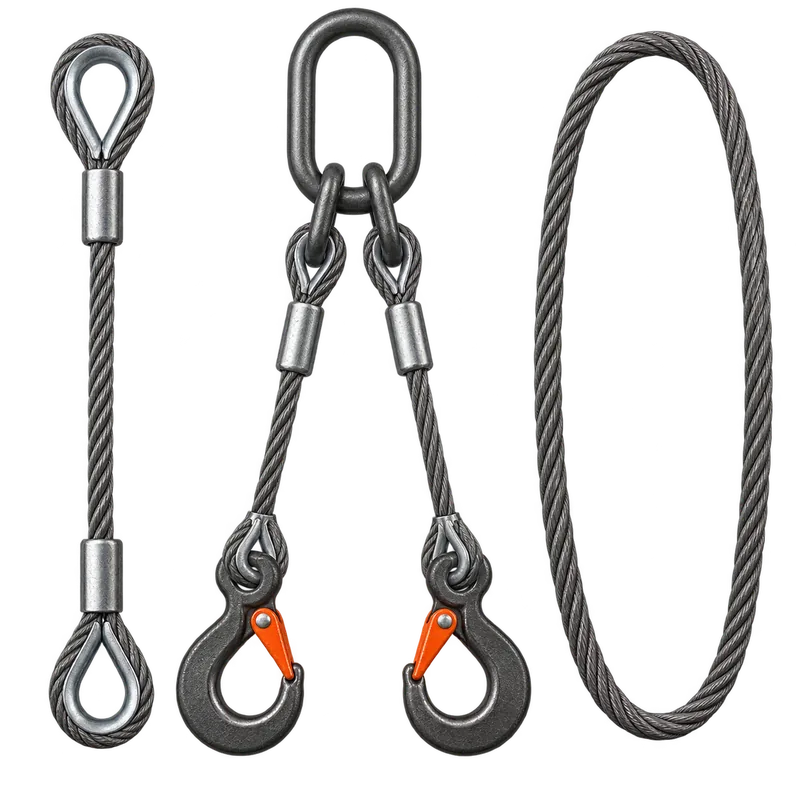
  • Wire rope
  • Synthetic sling cuts and abrasion
  • Identification tags
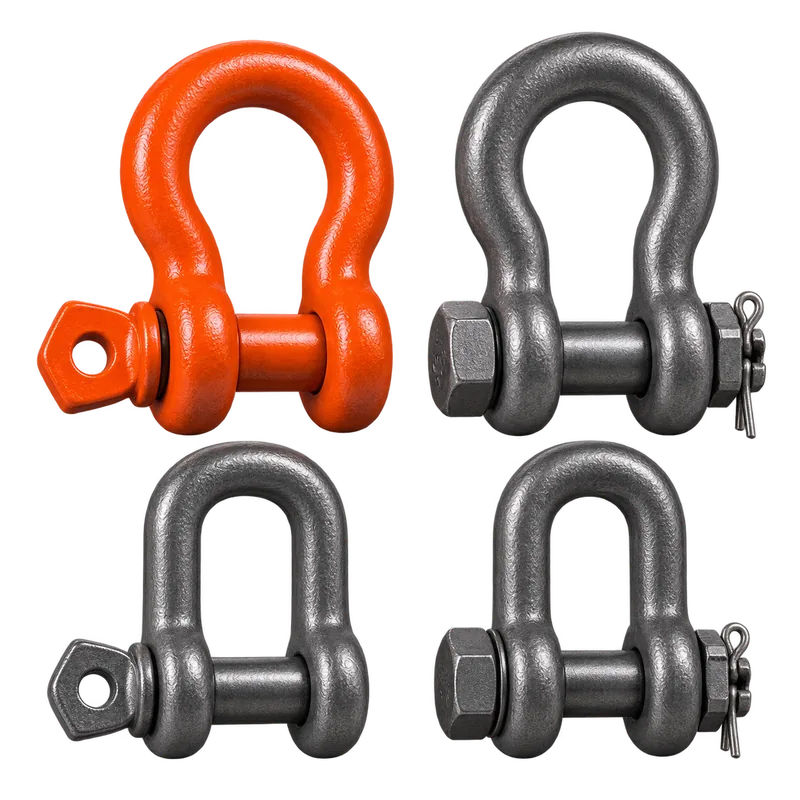
  • Shackles and pins
  • Hoist brakes
  • Load chains
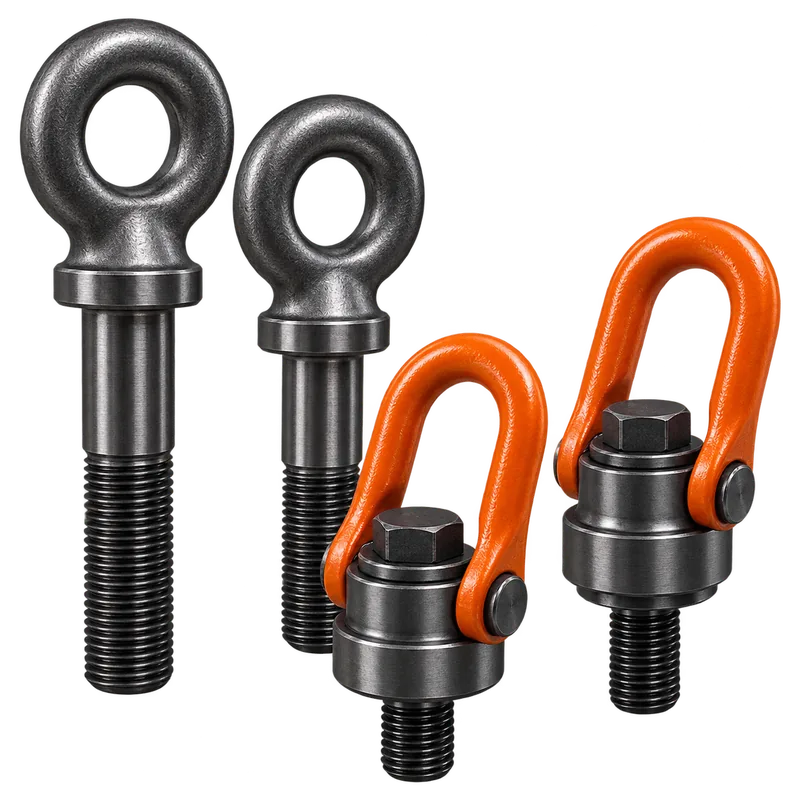
  • Mounting points
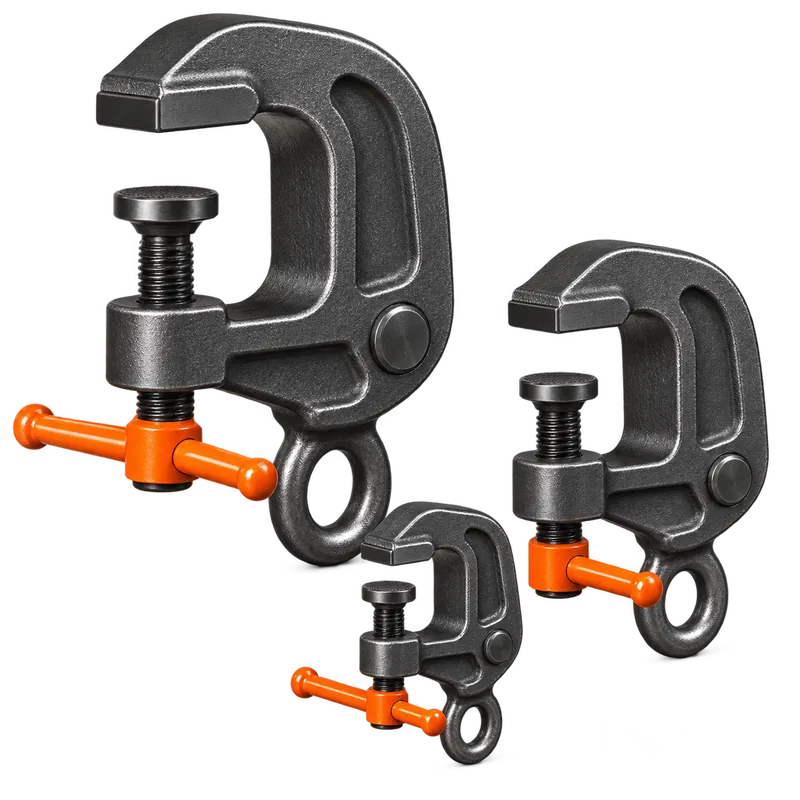
  • Beam clamps
  • Rigging hardware deformation
  • Evidence of heat, chemical or shock damage
Remove damaged or unidentified rigging from service.

Have it evaluated according to employer procedures, manufacturer requirements and applicable standards before any return to service.

Buying guidance

Choose equipment for the work and environment.

Rated capacity is only the start. The equipment also needs to fit the space, duty, inspection program and long-term support requirements.

  • Rated capacity: Verify marked capacity for intended approved configurations.
  • Lift height & headroom: Check required travel and space consumed by equipment.
  • Hand-chain or lever length: Confirm operators can work from the intended position.
  • Hoist weight & duty cycle: Consider handling, installation and frequency of operation.
  • Overload protection: Compare available protection and manufacturer requirements.
  • Corrosion resistance: Match materials and finish to the environment.
  • Certification & identification: Favor traceable equipment with durable rated markings.
  • Replacement parts: Check chain, hooks, brakes, seals and service parts support.
  • Inspection support: Look for clear manuals, criteria and service resources.
  • Repairability: Consider authorized repair, parts and post-repair inspection support.
  • Manufacturer reputation: Choose established makers with technical information.
  • Intended environment: Account for heat, weather, chemicals, dust and corrosion.
  • Frequency of use: Match construction and duty rating to expected service.

Safety notice

Rigging is skilled work.

  • Rigging must be selected and used by qualified personnel.
  • Working load limits must never be exceeded.
  • Loads must not be lifted over people.
  • Manufacturer instructions and site procedures control.
  • This page is general information, not a substitute for lift planning, training or inspection.

Millwright tool questions

Frequently asked questions

Practical answers for comparing tools, planning the work and choosing equipment for the actual assignment.

Chain hoist vs lever hoist: which is better for machinery work?

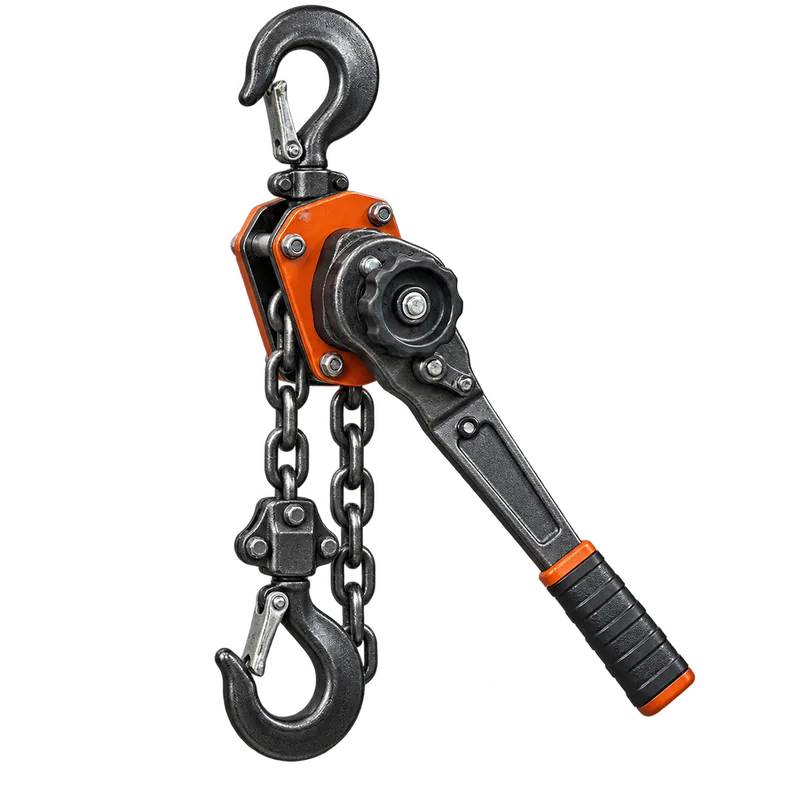
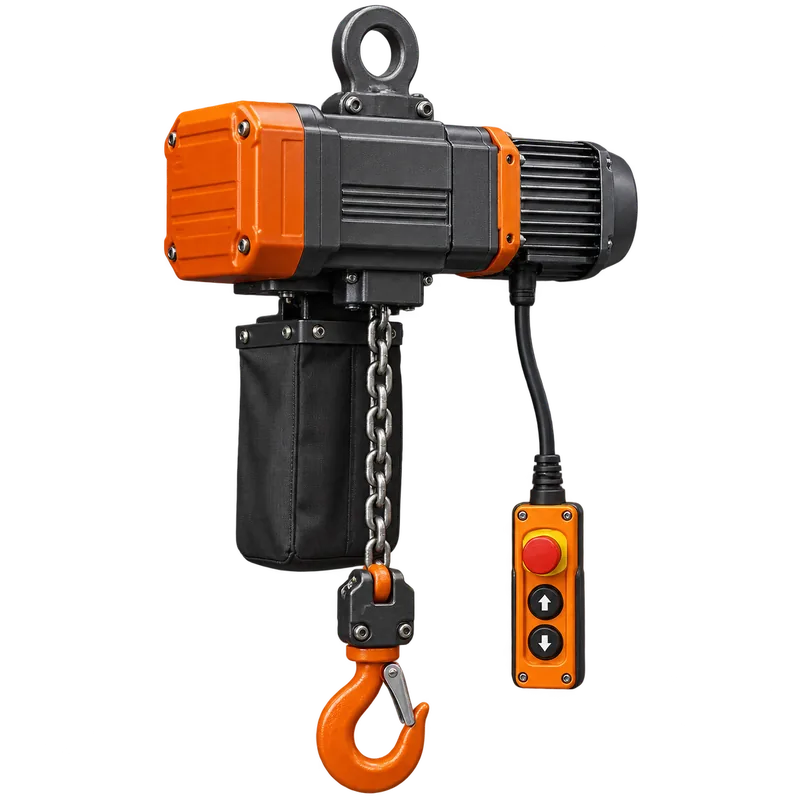
A hand chain hoist is commonly suited to vertical lifting from an approved overhead support, while a lever hoist is compact and can support controlled pulling or positioning within its rated directions and limits. Capacity, lift, headroom, anchor arrangement, side-loading restrictions and the lift plan determine the correct device.

Harrington CF010-10 vs CB010: what should a millwright compare?

Compare the exact rated capacity, standard lift, headroom, hand-chain arrangement, duty information, weight and inspection requirements for the CF010-10 and CB010. Similar one-ton ratings do not make two hoists interchangeable; the planned support, travel, environment and manufacturer instructions still govern.

How do I choose between a web sling and a round sling?

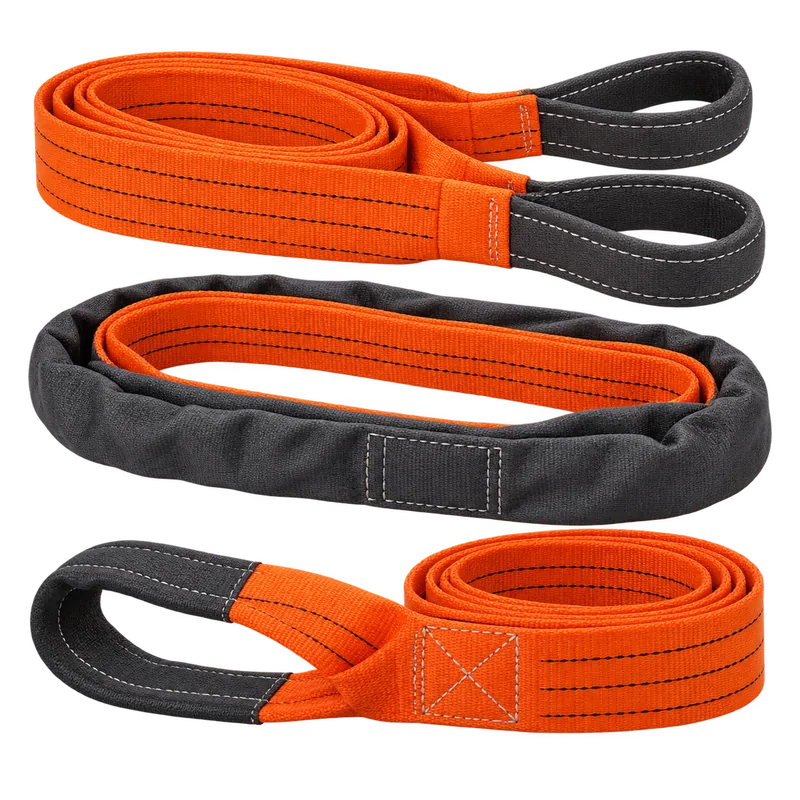
Choose from the verified load, hitch, angle, length, rated capacity, edge conditions, temperature, chemicals and required protection. Inspect the identification and entire sling before use, remove damaged or unreadable slings from service, and follow the lift plan and manufacturer limits.

Can machinery skates and toe jacks replace rigging equipment?

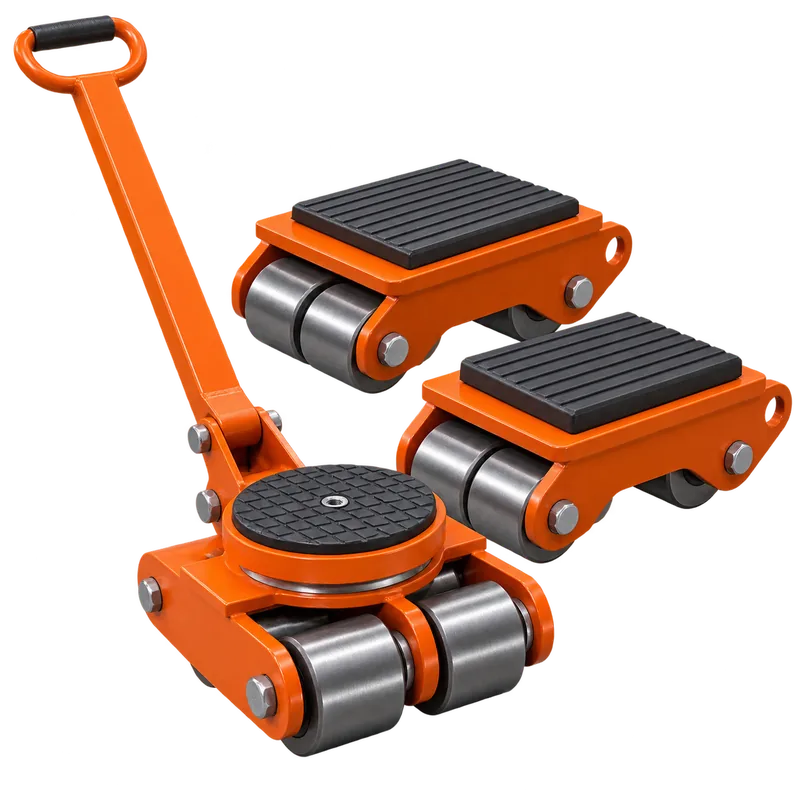
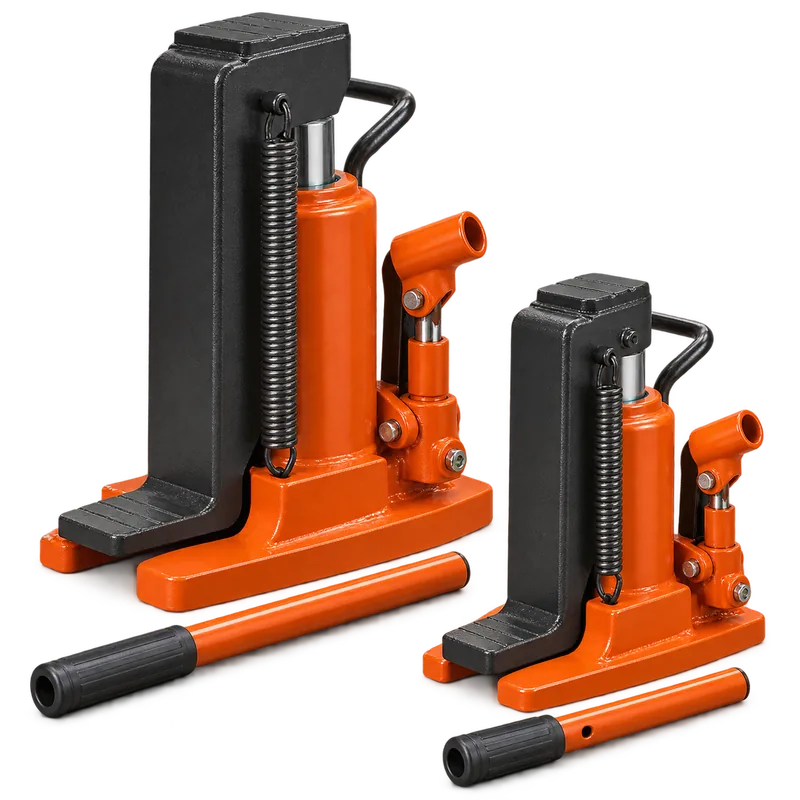
No. Toe jacks and skates are specialized moving and positioning tools used only on suitable surfaces with controlled load support and travel. They do not replace an engineered lift plan, rated lifting points, blocking, cribbing, rigging hardware or qualified direction.

Continue browsing

Build the rest of the millwright setup.

Continue into alignment, hand tools, installation equipment or PPE, or return to the complete tool directory.