
Toolbox foundation
Essential millwright tools
A practical first-toolbox guide for apprentices and working millwrights—organized around the work you are likely to perform, not a list built to sell every tool at once.
Field guide: https://millwrightsupply.com/essential-millwright-tools.html
Start with the work
Build the first toolbox in layers
A useful millwright toolbox is not the biggest box on the job. It is the box that covers the work you are expected to perform without loading you down with specialty tools that belong in a gang box, tool crib or company inventory.
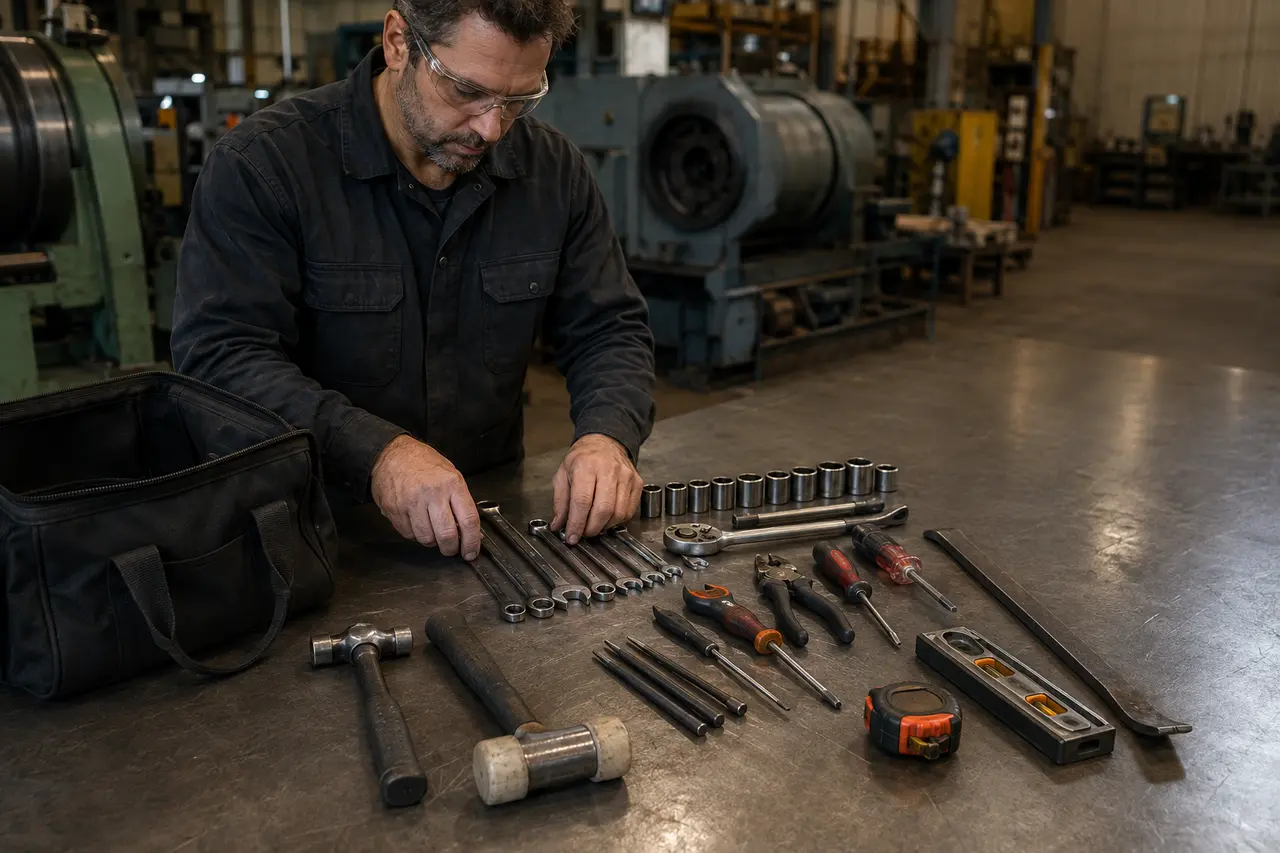
Separate tools by handling requirement
Daily carry
Wrenches, sockets, pliers, drivers, striking tools, tape and compact layout tools.
Protected clean case
Indicators, calipers, micrometers, levels and standards kept away from rough tools.
Job-controlled equipment
Rigging, powered equipment, calibrated torque systems and specialty machinery movers.
Carry first
General hand tools used repeatedly for fitting, disassembly, assembly, adjustment, marking and controlled positioning.
Add for your assignment
Extra sizes, specialty pliers, larger sockets, longer bars and task-specific tools that match the plant, outage or installation work.
Confirm before buying
Precision instruments, powered equipment, torque tools, rigging and specialized alignment systems may be employer-supplied or job-controlled.
Buy dependable core tools first. Add depth after you know the fastener sizes, access limitations, machinery and procedures used on your actual assignments.
Everyday coverage
Eight core tool groups
These groups form a practical foundation for maintenance, installation, outage and equipment-assembly work. Exact sizes and quantities should follow your employer list and the equipment you work around.
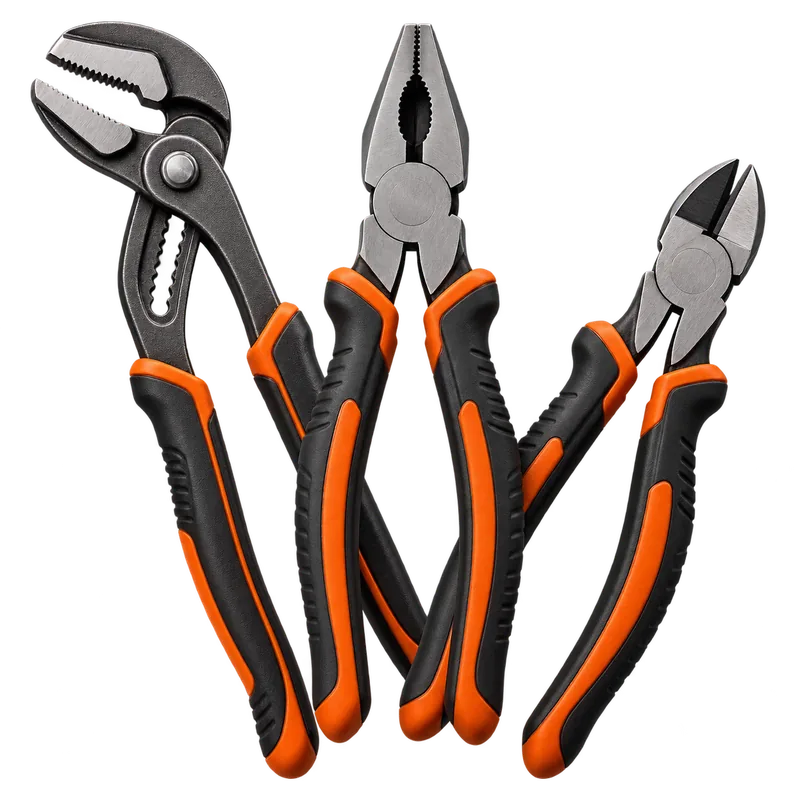
Pliers and gripping tools
Tongue-and-groove pliers, combination pliers, needle-nose pliers, diagonal cutters and locking pliers cover gripping, turning, holding and wire work.
Explore pliers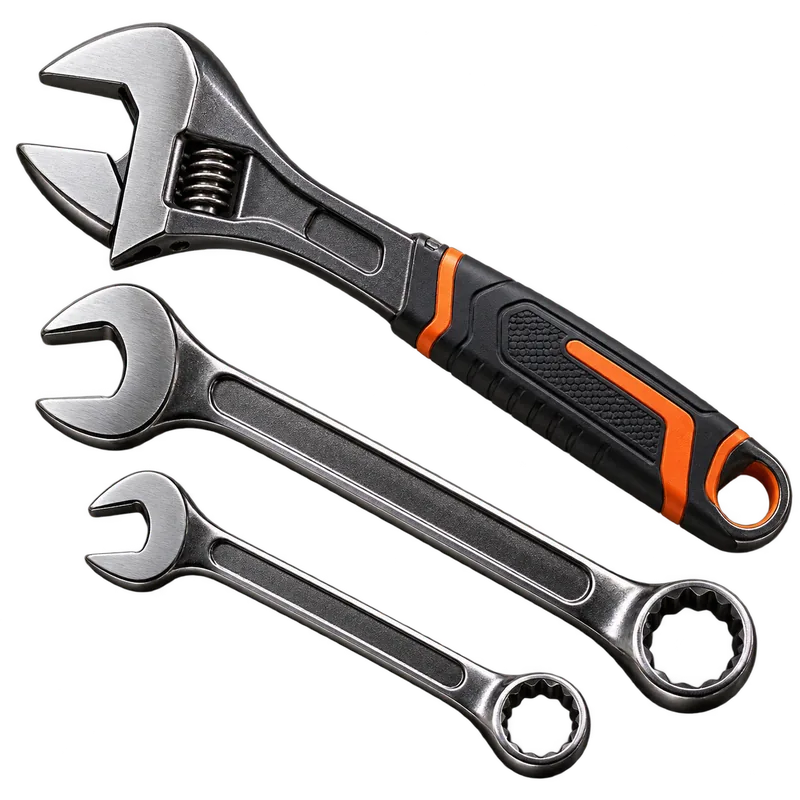
Wrenches
A working range of combination wrenches plus dependable adjustable and spud-style options supports routine bolting, fitting and alignment work.
Explore wrenches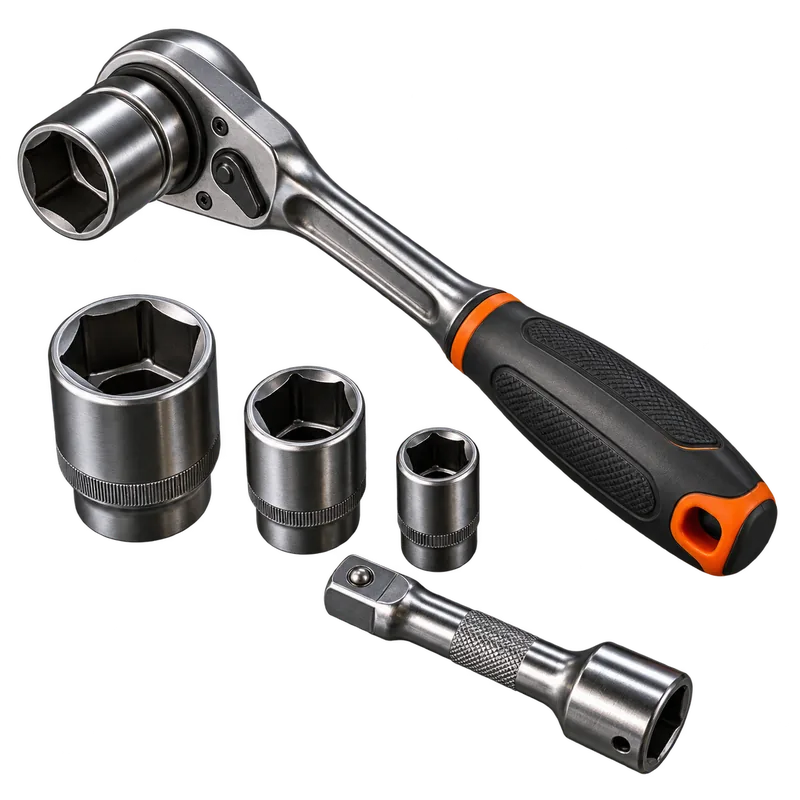
Sockets and ratchets
Common drive sizes, six-point sockets, extensions and a breaker bar give better access and controlled leverage during equipment assembly and tear-down.
Explore sockets and ratchets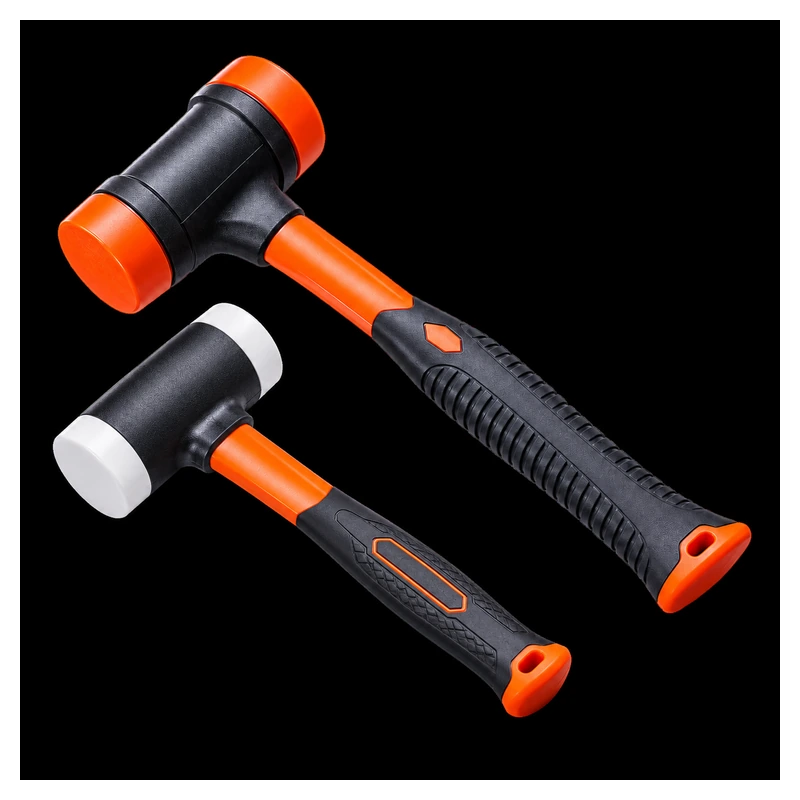
Hammers and mallets
A suitable dead-blow hammer and soft-face mallet support fitting, shifting and controlled positioning while helping limit unnecessary surface damage.
Explore striking tools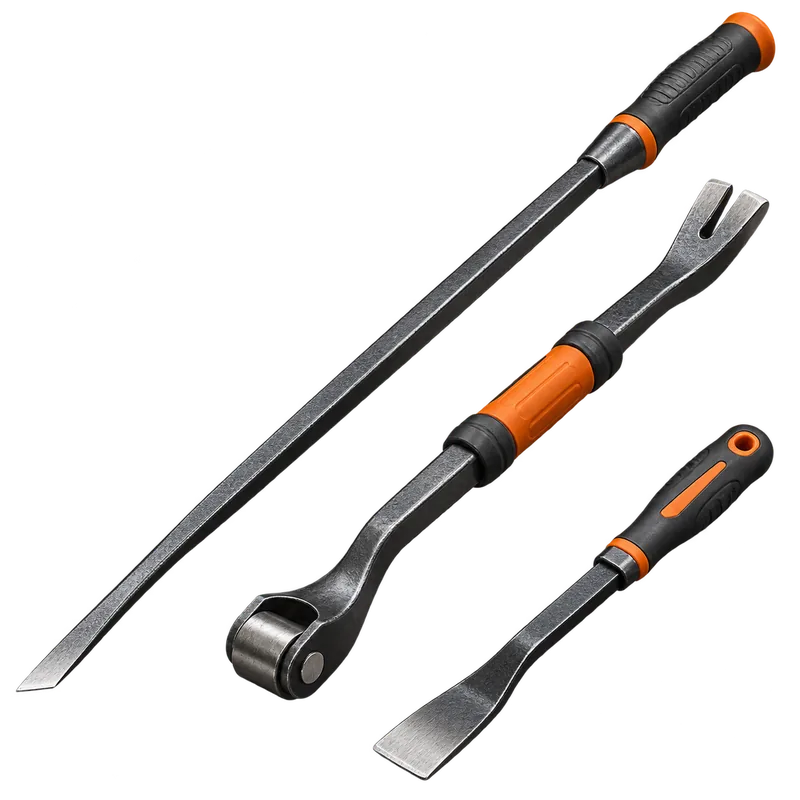
Pry and aligning bars
Different lengths and tip profiles provide leverage for shifting components, matching bolt holes and making controlled fit-up adjustments.
Explore alignment bars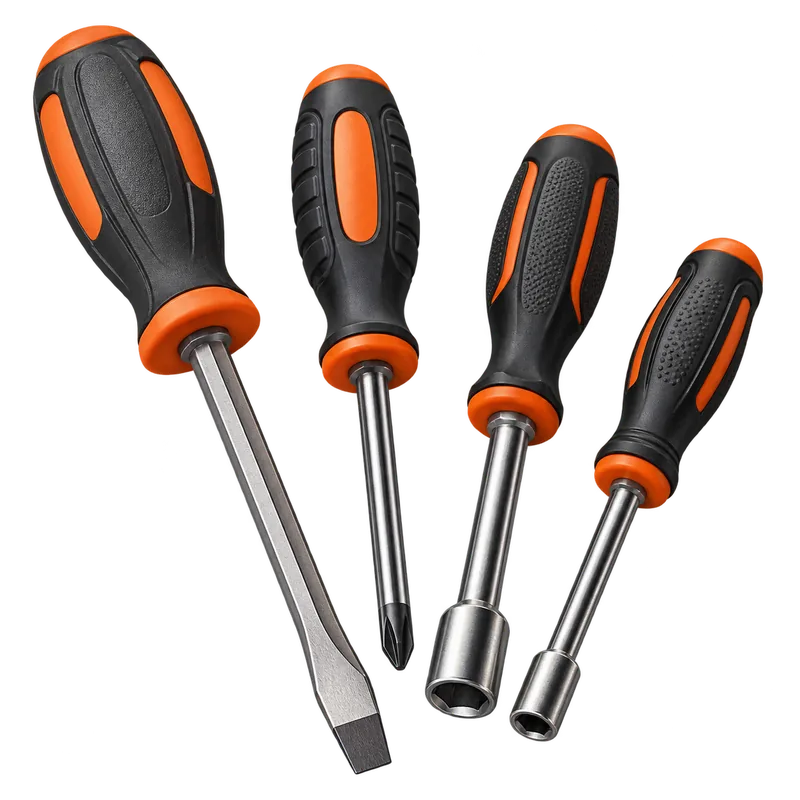
Screwdrivers and drivers
Flat, Phillips, hex and nut-driving tools are routinely needed for guards, covers, terminals, clamps and smaller machine components.
Explore screwdrivers and drivers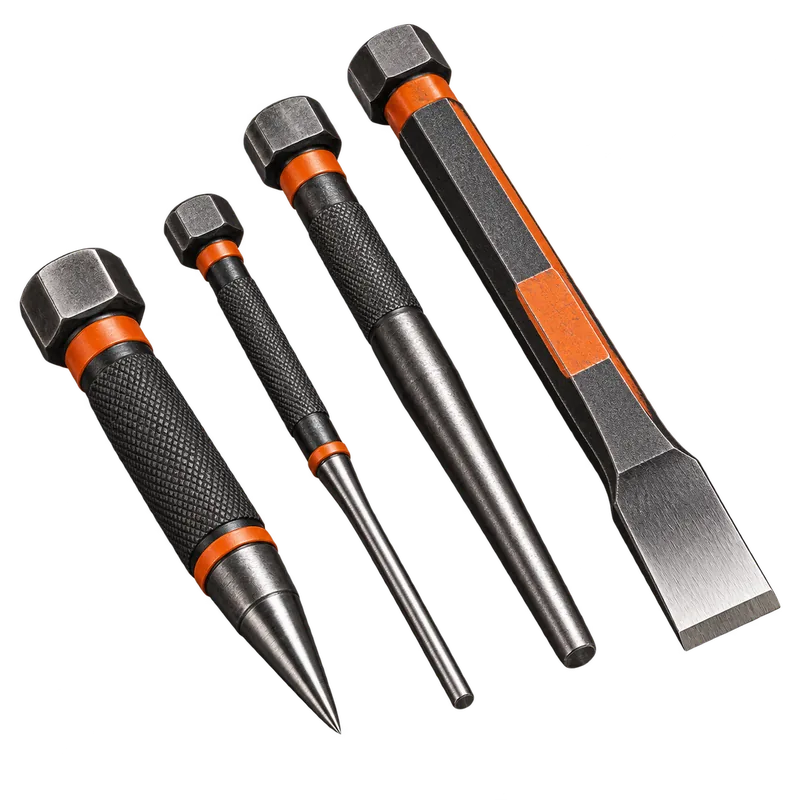
Punches, chisels and files
Center punches, pin punches, cold chisels and files support layout, pin removal, edge cleanup, fitting and controlled material removal.
See selection guidance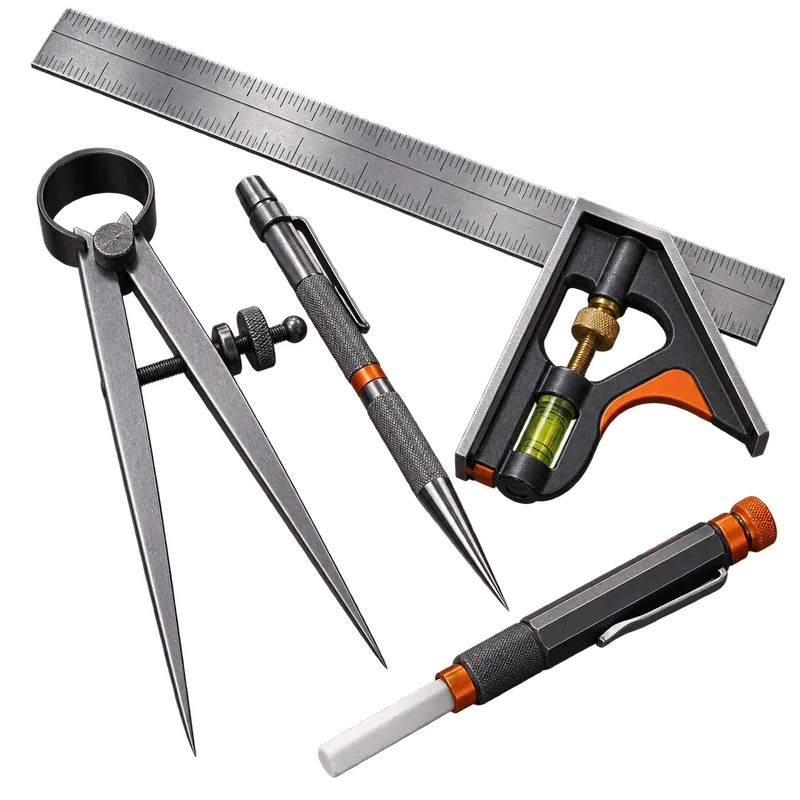
Basic layout tools
A tape measure, steel rule, square, markers and scribe provide the basic references needed before drilling, cutting, positioning or verifying fit-up.
Explore layout toolsMatch the assignment
Tool priorities change with the job
| Work type | Tools that move forward | Why they matter |
|---|---|---|
| Plant maintenance | Pliers, wrenches, sockets, drivers, punches and compact lighting | Broad day-to-day troubleshooting, guards, fittings and component replacement |
| Outage and tear-down | Deeper socket range, breaker bars, striking tools, punches, tags and organized storage | Repeated disassembly, hardware control and work across several equipment areas |
| Machinery installation | Pry bars, aligning bars, levels, wedges, layout tools and controlled striking tools | Positioning, base work, bolt-hole alignment and preliminary setup |
| Precision and alignment | Clean hand tools plus approved indicators, levels, shims and alignment equipment | Stable setup, repeatable readings and controlled machine movement |
| Rigging support | Spud wrenches, aligning bars, tag-line support tools and inspection supplies | Connection work and load-control support under the qualified rigging plan |
Grow with experience
What to add after the foundation
More sizes and reach
- Additional wrench and socket sizes
- Longer extensions and universal joints
- Long- and short-pattern pry bars
- Specialty pliers for recurring tasks
Basic precision support
- Feeler gauges
- Small steel rule and machinist square
- Approved straightedge or level when required
- Dedicated clean storage for measuring tools
Job-specific equipment
- Torque tools and controlled bolting equipment
- Hydraulic tools and machinery movers
- Dial or laser alignment systems
- Rigging equipment selected under the lift plan
Do not assume specialty equipment is a personal-tool purchase. Confirm what the contractor, employer, tool room or customer supplies before spending money or bringing unapproved equipment onto the site.
Choose for repeated work
What matters more than the brand name
- Correct size and type.The tool must fit the fastener, component and access conditions without makeshift extensions or poor contact.
- Durable working surfaces.Jaws, striking faces, tips, drive ends and adjustment mechanisms should hold up to the intended service.
- Comfort under load.Grip shape, balance and handle clearance matter when a tool is used repeatedly through a shift.
- Replaceable and serviceable parts.Rebuild kits, replacement faces and available components can extend the useful life of frequently used tools.
- Organization.A tool you can identify, inventory and retrieve quickly is more useful than one buried loose in a crowded box.
Keep the toolbox dependable
Care and inspection are part of the work
Carry the core
Cover the repeated fitting, fastening, striking, layout and access work.
Add by assignment
Expand size ranges and specialty depth only after the work shows the need.
Protect and inspect
Separate precision tools and remove damaged hand tools from service.
Before use
Check for mushroomed striking ends, cracked handles, spread jaws, chipped tips, damaged drive ends, loose adjustments, corrosion and contamination.
After the task
Wipe tools down, return them to assigned storage, separate precision tools from general hand tools and identify damage before the next shift.
Before modification
Do not grind, weld, heat, extend or otherwise modify a tool unless the manufacturer and controlling job procedure explicitly permit it.
When in doubt
Remove questionable tools from service and follow the employer’s inspection, tagging and replacement process.
Work within the procedure
A tool list does not replace job planning
Tool selection is only one part of the task. Follow employer and site requirements, use the required PPE, verify isolation and permits, inspect tools before use, and use rated or approved equipment where the work calls for it. Precision, torque, hydraulic and rigging work may require qualified personnel, controlled procedures and documented equipment.
Millwright tool questions
Frequently asked questions
Practical answers for comparing tools, planning the work and choosing equipment for the actual assignment.
What tools should be on an essential millwright tool list?
Start with the wrench, socket, plier, screwdriver, hex-key, striking, punch, chisel, measuring, marking, lighting and storage basics required by the employer or local program. Add sizes and specialty tools only after the assignment shows a recurring need.
What tools should a millwright bring to an outage?
Bring the approved personal-tool list plus assignment-specific hand tools, organized sockets and wrenches, lighting, marking tools and secure storage. Precision instruments, powered tools, rigging and controlled PPE may be contractor- or employer-supplied, so confirm responsibility before buying or transporting them.
Which millwright tools are worth buying at professional grade?
Prioritize tools used constantly, tools that affect fit and control, and tools whose failure would interrupt the work. Buy by correct range, geometry, durability, serviceability and warranty rather than treating the most expensive option as automatically best.
Should precision tools go in the same box as hand tools?
No. Indicators, micrometers, calipers, levels and gauges should stay clean and protected in fitted cases or dedicated storage. Separation prevents impact damage, contamination, lost accessories and untracked calibration or verification status.
Continue into the directory
Compare the essential hand-tool groups
Use the Millwright Hand Tools directory to explore tool purposes, selection factors, featured examples and developing product comparisons.