Field-tested information for industrial millwrightsExperience in the trade since 1995

Cut. Drill. Fasten.

Power tools for millwrights

A field-focused directory for machinery installation, industrial maintenance, shutdowns, rotating-equipment repair, structural work, cutting, fabrication, surface preparation, anchor installation and equipment modification.

View featured power tools
20 power-tool groups

Choose the tool, power source and accessory for the actual task. Published torque, speed, cutting capacity and runtime are reference specifications—not guaranteed field performance.

Recently added: 1 productVictor Journeyman cutting outfit
View recently added product

Verified addition

Oxy-Fuel Cutting Outfit

Exact owner-selected product added August 17, 2026.

Heavy-duty acetylene cutting outfit

Victor Journeyman 350 Cutting Outfit, CGA-510
Manufacturer
Victor
Model
0384-0804
Product type
oxy-acetylene cutting and welding outfit
Amazon
Link available
Product grade: Professional
Intended use

trained hot-work cutting and welding setups

Best for

Heavy-duty acetylene work using CGA-540 oxygen and CGA-510 acetylene connections.

View details & safety notes
Value badge: Value PickPrice position: Higher

Value assessmentThe premium is justified for frequent oxy-fuel cutting by the complete professional outfit and serviceable Victor platform.

Information last reviewed2026-08-24

Product number
0384-0804
Oxygen connection
CGA-540
Acetylene connection
CGA-510
Regulators
SR450 series
Torch safeguards
Built-in flashback arrestors and check valves in handle
Manufacturer / distributor source
Exact product information
Verified
2026-08-17

Hot-work safety: Use only by trained personnel under the hot-work program. Secure and separate cylinders, verify gas/tip compatibility, inspect hoses and connections, use required PPE and fire protection, and follow the manufacturer manual.

Check price on Amazon

Power-source selection

Cordless, corded or pneumatic?

Start with the site, the duty cycle and where the work has to happen—not simply the tool with the biggest number on the box.

01

Cordless power tools

Best fit: mobility, remote work locations, frequent repositioning and restricted access.

Battery inventory and charging become part of the work plan on long outage shifts. High-capacity packs increase runtime but also weight. Protect packs from weather and follow site rules for charging and storage.

02

Corded electric tools

Best fit: sustained duty where suitable plant power is close and cable management is practical.

Confirm voltage, circuit capacity, extension-cord gauge/length, environmental rating and required ground-fault protection. Cords add trip, damage and access considerations.

03

Pneumatic tools

Best fit: facilities with adequate clean compressed air and jobs where a compact tool or long duty cycle is useful.

Air pressure/flow, hose size/length, lubrication, noise and hose management affect real performance. Air availability alone does not make a pneumatic tool suitable.

Selection factors on an industrial site

  • Available plant power and correct voltage
  • Compressed-air availability, pressure and flow
  • Mobility and remote work locations
  • Tool plus battery/hose/cable weight
  • Duty cycle across long outage shifts
  • Existing battery inventory and chargers
  • Indoor, outdoor, wet or conductive locations
  • Spark, ignition and hot-work restrictions
Hazardous locations require specific controls.

Do not assume a cordless, electric or pneumatic tool is acceptable in a wet, conductive, flammable or ignition-controlled area. Follow the site hazard classification, permit system and approved equipment requirements.

Application guide

Match the tool to the job

These are practical starting points. The work package, material, access and site controls determine the final setup.

  1. Removing and installing large fasteners1/2- or 3/4-in. impact wrench, correct impact-rated socket/retainer, extensions only when appropriate, and the specified final torque/tension method.
  2. Drilling equipment bases and structural steelHeavy drill or magnetic drill with twist bits/annular cutters matched to hole size, steel grade, speed and cutting-fluid requirements.
  3. Installing concrete anchorsHammer drill or rotary hammer plus the exact bit diameter/type specified by the anchor manufacturer; clean and prepare holes by the approved anchor procedure.
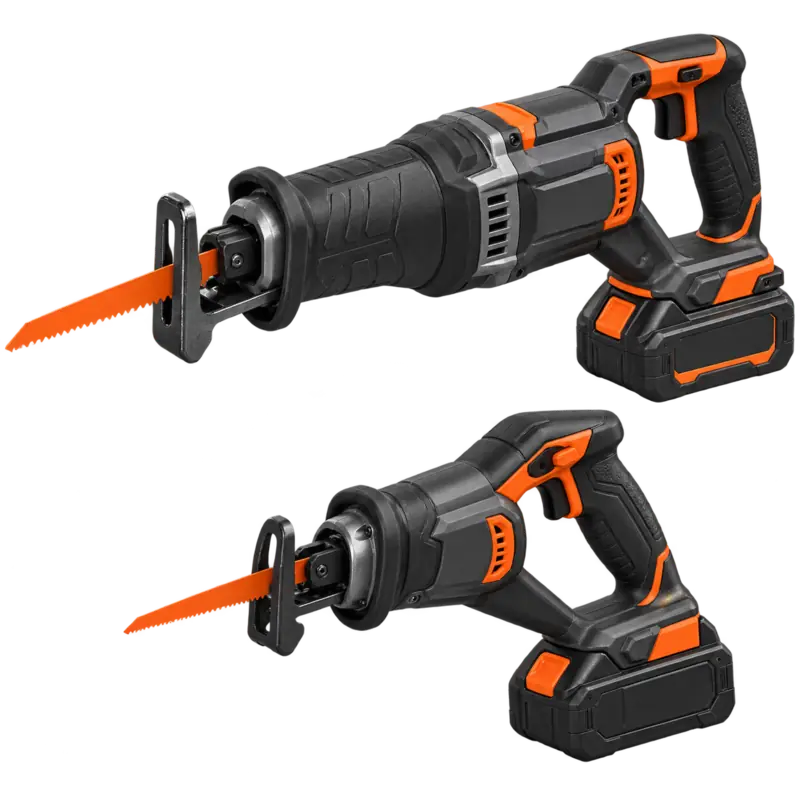
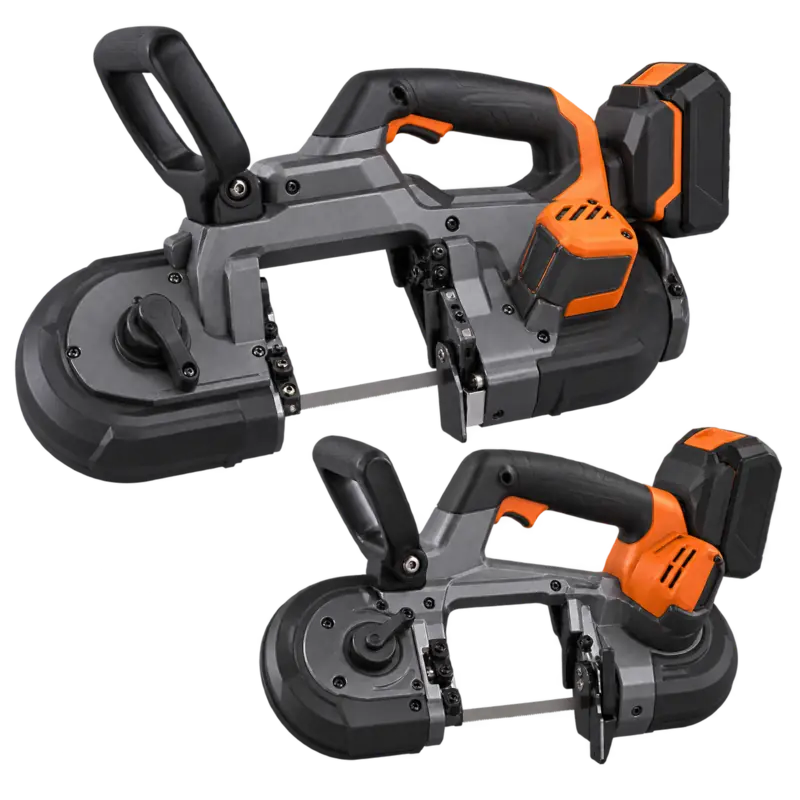
  4. Cutting pipe, bolts and structural materialPortable band saw for controlled cuts, reciprocating saw for clearance/demolition, or guarded grinder with a rated cutoff wheel when permitted.
  5. Grinding welds and preparing surfacesAngle grinder with a correctly rated grinding wheel, flap disc or surface-conditioning accessory and required guard/handle.
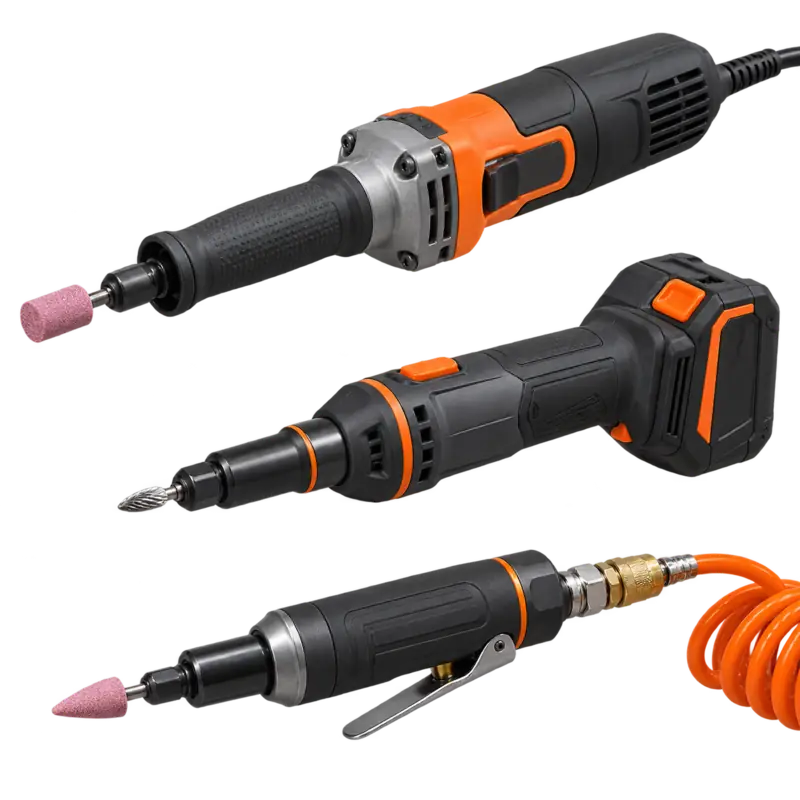
  6. Removing corrosion, coatings and gasket materialWire/surface-conditioning accessories, die grinders or pneumatic needle scalers where suitable; protect the base material and control hazardous dust/coatings.
  7. Making clearance cuts during machinery installationReciprocating saw, band saw, grinder or die grinder depending on access, accuracy, material and hot-work restrictions.
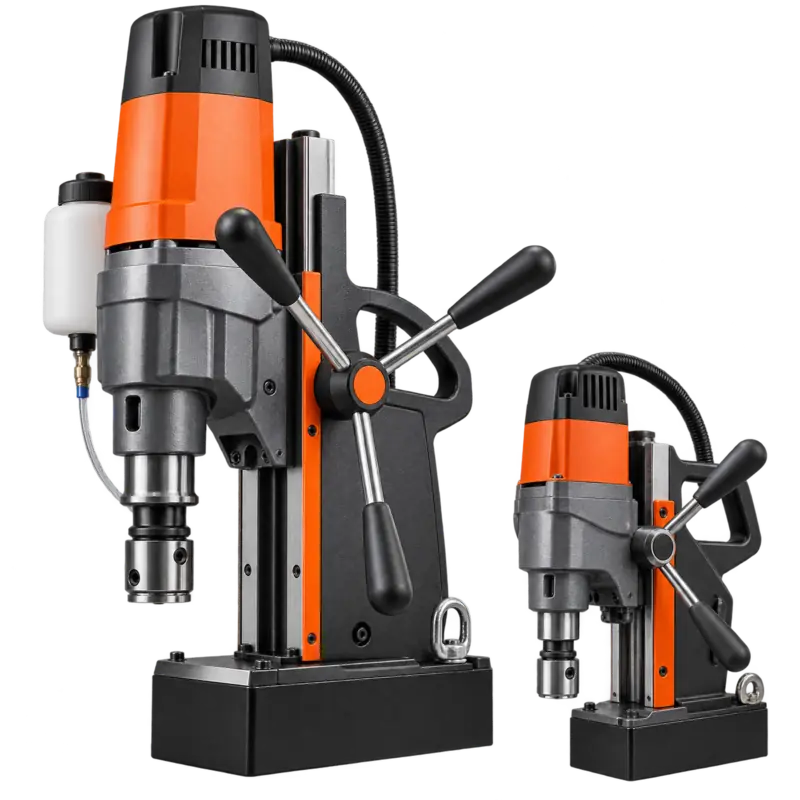
  8. Drilling large accurate holes with a magnetic drillMag drill, annular cutter/pilot, suitable clean ferrous mounting surface, cutting lubricant and secondary retention where required.
  9. Working in restricted-access locationsCompact impact, right-angle drill, die grinder or compact saw selected around actual clearance and reaction/pinch hazards.
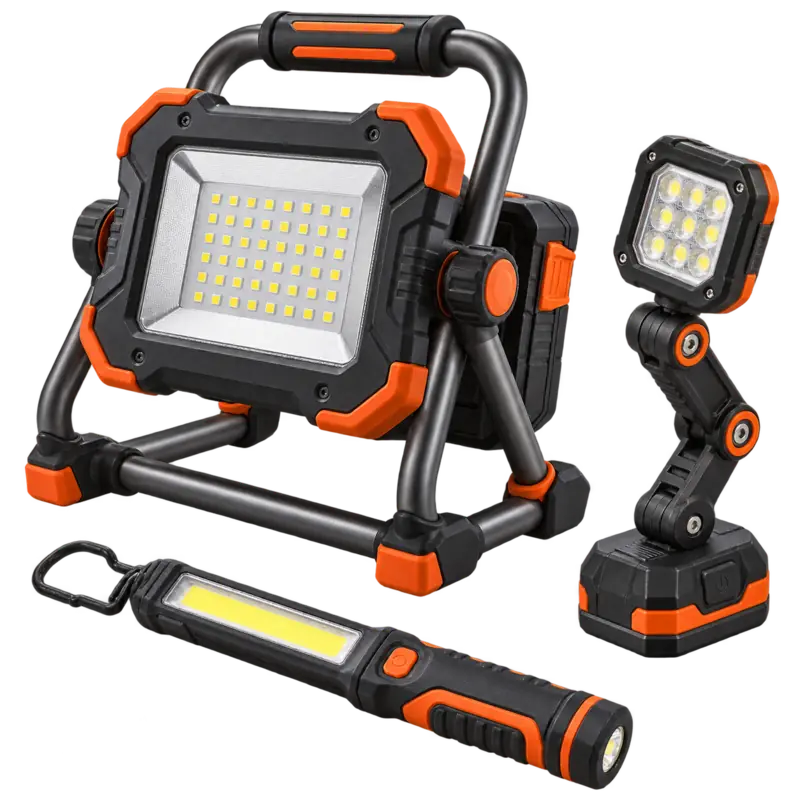
  10. Lighting temporary work areasPortable work light with suitable output, runtime and environmental/site rating; position it to avoid glare, trip hazards and damage.

Accessory guidance

The accessory is part of the tool setup

Accessories must match the tool’s drive or arbor size, speed rating, capacity and intended application.

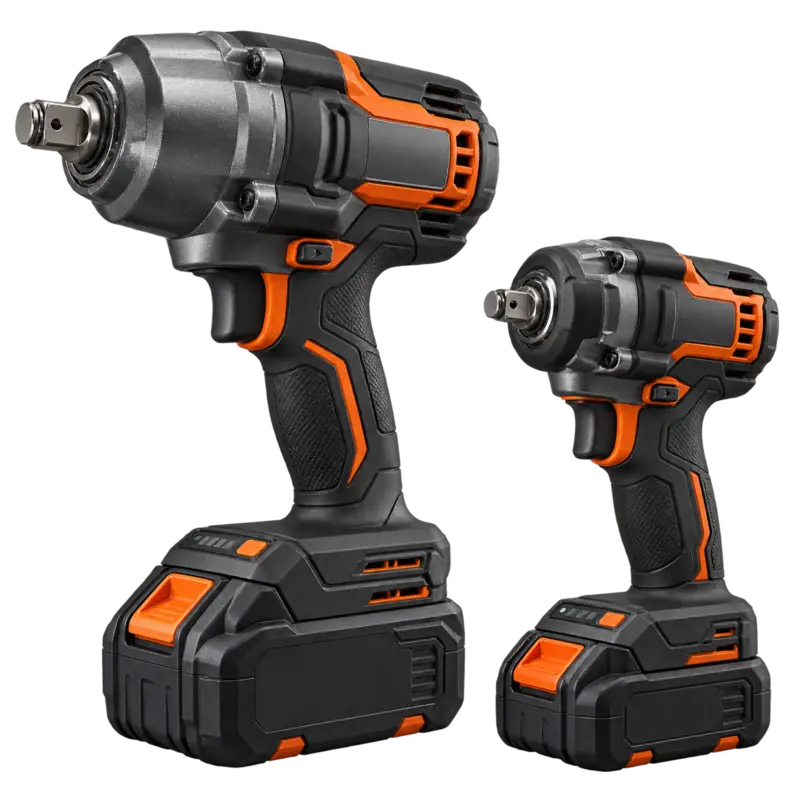
Impact-rated sockets

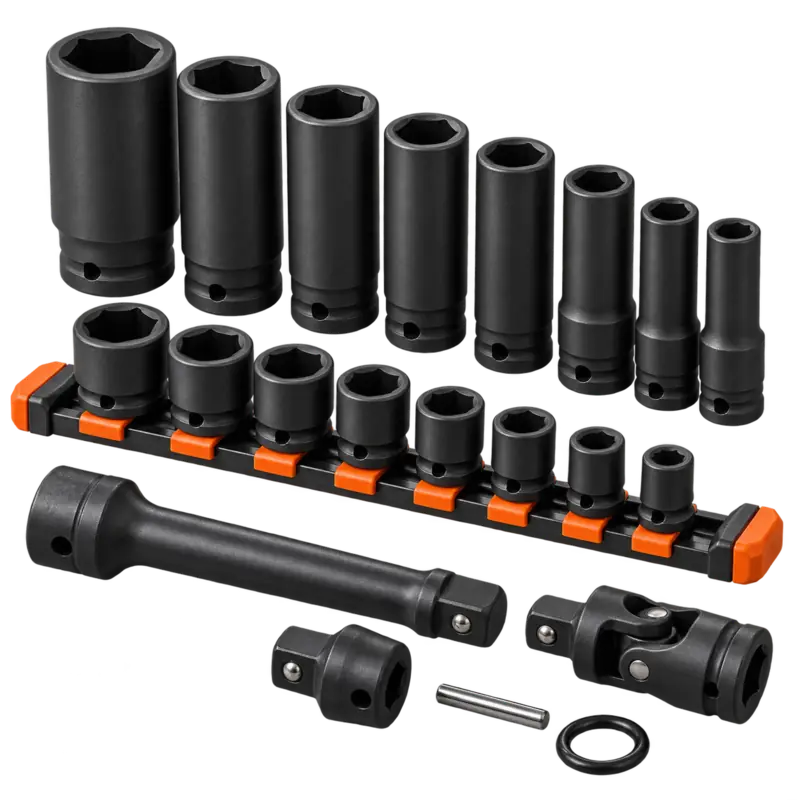
Use sockets and extensions specifically rated for impact service and sized to the drive and fastener. Inspect for cracks, distortion and drive wear.

Socket-retaining systems

Friction rings, detent pins and pin/O-ring systems serve different retention needs. Use the system intended by the anvil/socket manufacturer.

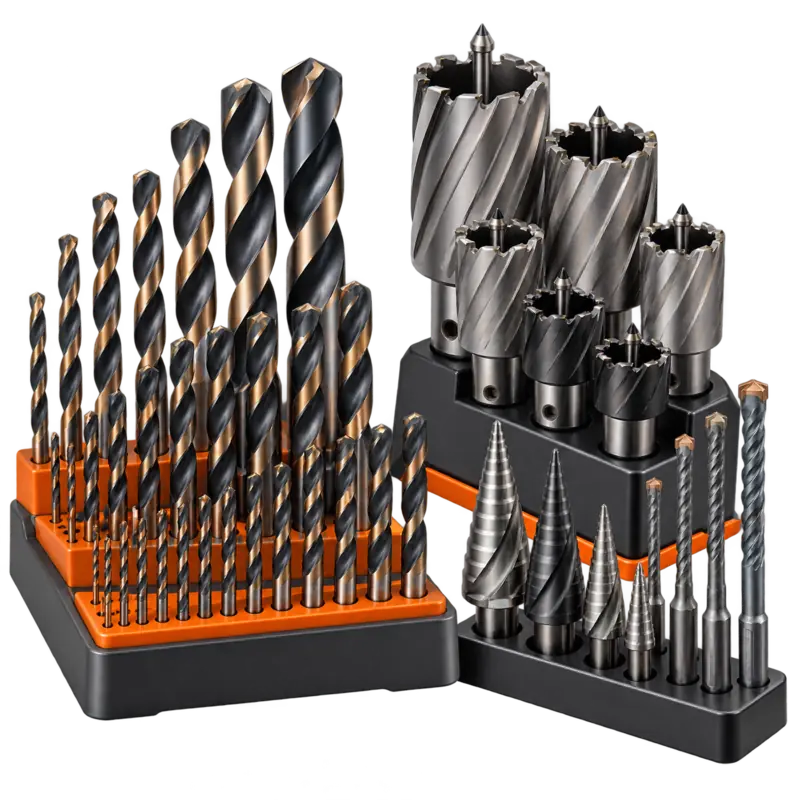
Drill-bit materials & coatings

HSS, cobalt-alloy and coated bits suit different materials and duty. Match geometry, speed, feed and lubricant to the work.

Annular cutters

Confirm diameter, cutting depth, arbor/shank, pilot and machine capacity. Use approved lubrication and chip-control practices.

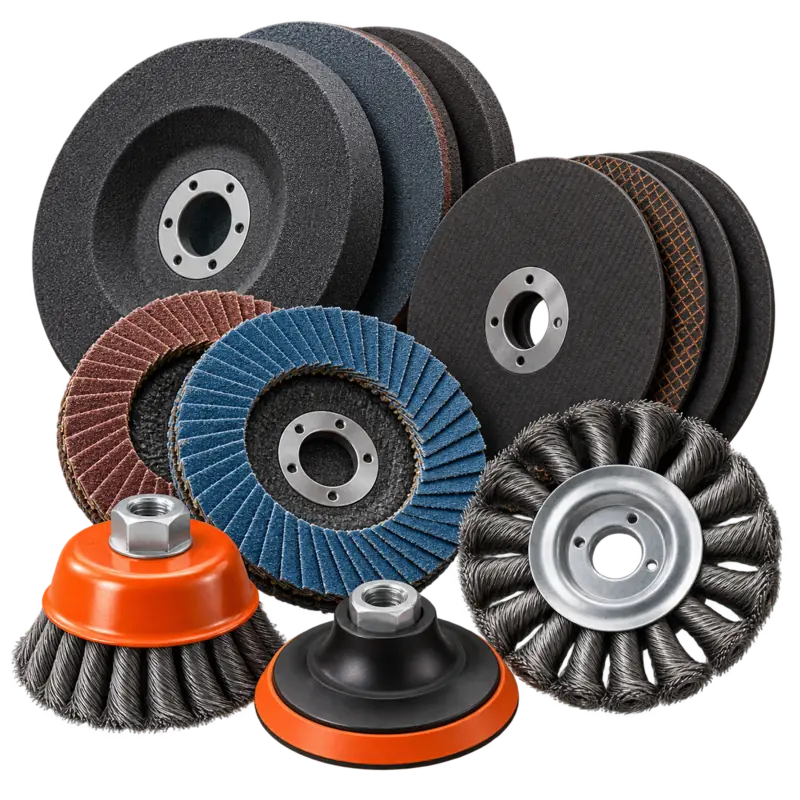
Abrasive wheel types

Wheel composition and form determine intended material and operation. Never exceed the wheel’s marked speed or tool size.

Grinding vs cutting wheels

Grinding wheels are designed for appropriate grinding loads; thin cutoff wheels are for cutting. Do not side-load a wheel not designed for it.

Wire & surface-conditioning wheels

Match diameter, attachment, material and RPM. Inspect wire wheels and use guarding/PPE because wires and debris can be thrown.

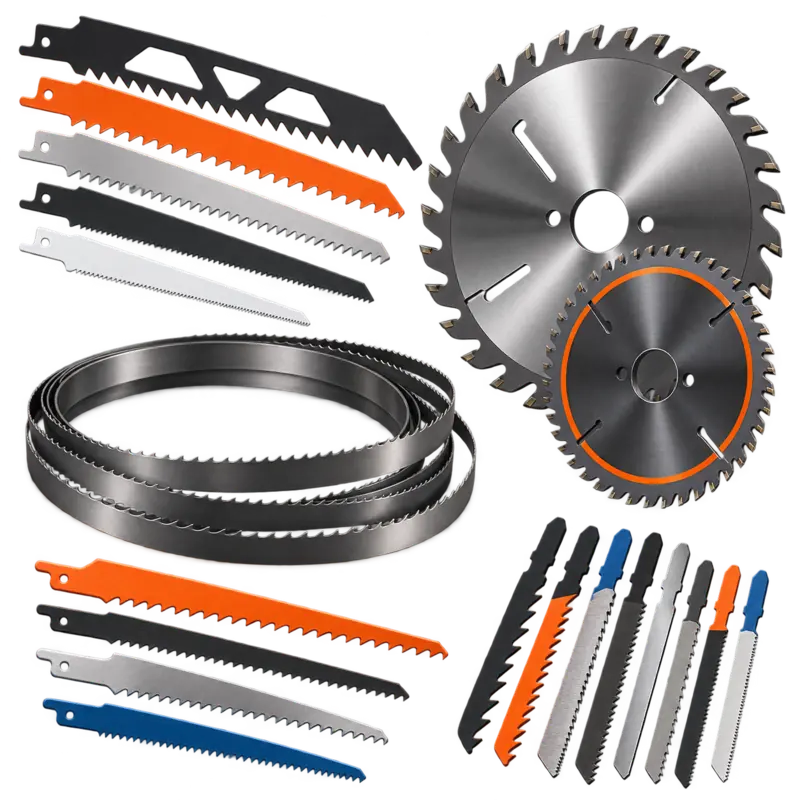
Portable band-saw blades

Match blade length/width to the saw and tooth pitch to wall/section thickness so multiple teeth remain engaged in the work.

Reciprocating-saw blades

Choose blade material, TPI and length for the stock. Provide enough length to clear the material through the complete stroke.

Batteries & chargers

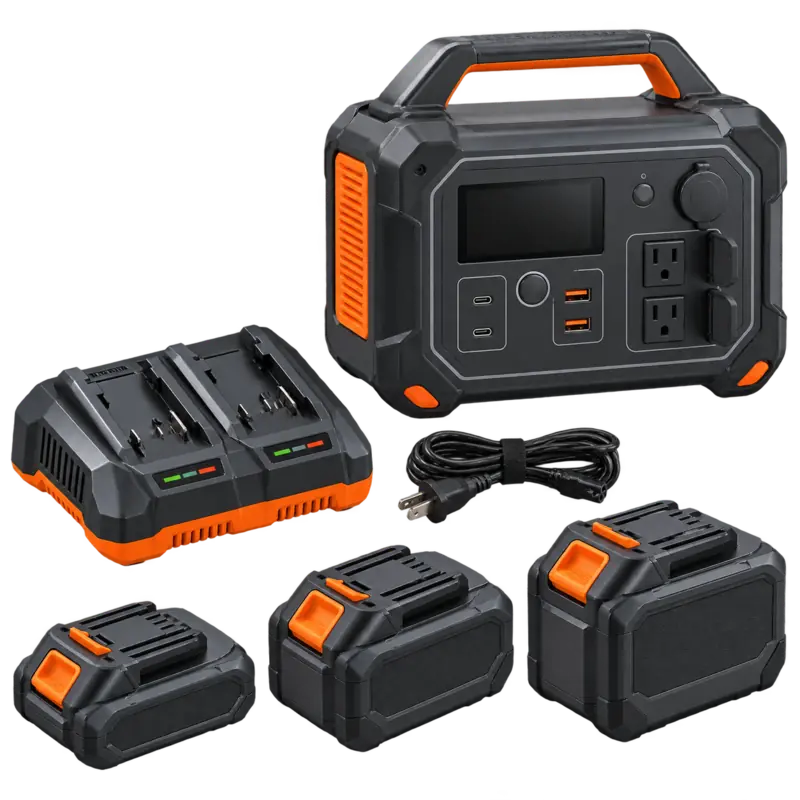
Use manufacturer-compatible packs/chargers. Balance amp-hour capacity against weight and plan charging around duty cycle and approved locations.

Tool cases & storage

Keep tools, batteries and sharp/delicate accessories protected, dry and organized. Separate damaged batteries immediately.

Compatibility comes first.

An accessory that physically fits is not necessarily approved for the tool. Verify manufacturer compatibility, maximum speed, dimensions, material/application and guarding before use.

Safety & field guidance

Set up the job before the tool

Power-tool selection never replaces the work permit, equipment isolation, manufacturer instructions or task-specific hazard controls.

  • Isolate equipment: Follow required lockout/tagout and equipment-isolation procedures.
  • Control hot work: Grinding and cutting may require hot-work permits, fire watch, shielding and combustible control.
  • Keep protection installed: Guards and auxiliary handles must remain installed and correctly positioned when required.
  • Check abrasive wheels: Inspect every wheel and confirm its type, size and speed rating are suitable for the tool and operation.
  • Use impact accessories: Use impact-rated sockets with impact wrenches; inspect sockets and retaining devices before use.
  • Remove unsafe batteries: Batteries showing damage, swelling, leakage or overheating must be removed from service and handled under manufacturer/site procedures.
  • Size extension cords: Use properly sized cords suitable for the load and environment; use ground-fault protection where required.
  • Secure magnetic drills: Use a clean suitable mounting surface and required secondary retention; follow the drill manufacturer’s setup instructions.
  • Control entanglement: Secure loose clothing and hair; manage gloves according to the task/site rules around rotating equipment.
  • Follow governing requirements: Site rules, manufacturer instructions and applicable safety requirements take precedence over this general guide.
No one power tool fits every application.

Material, access, duty cycle, power availability, environment and task hazards all change what is suitable. Stop and reassess when the setup does not match the work.

Product grade is not a safety certification, Value Pick does not permit reduced safety practices, Premium does not replace required guarding or procedures, and price position does not determine suitability. Verify tool and accessory speed ratings, impact-rated sockets for impact tools, abrasive-wheel compatibility, battery condition, magnetic-drill secondary retention where required, lockout/tagout and equipment isolation, hot-work requirements, manufacturer instructions and site requirements before use.

Millwright tool questions

Frequently asked questions

Practical answers for comparing tools, planning the work and choosing equipment for the actual assignment.

Should a millwright use a 1/2-inch or 3/4-inch impact wrench?

Choose the drive size from the fastener range, required torque procedure, socket availability, access and duty rather than maximum advertised torque alone. A 3/4-inch tool may suit larger bolting but adds size and weight; final tightening may still require a calibrated torque method.

Milwaukee 2967-20 vs DEWALT DCF961B: which high-torque impact is better?

Compare the exact fastening and breakaway ratings, size, weight, anvil style, speed and control modes, battery platform, service support and the sockets already standardized on the job. Neither model replaces the specified final-torque procedure when controlled bolt preload is required.

When does a millwright need a magnetic drill?

A magnetic drill is useful for controlled drilling on suitable ferrous surfaces when the base can achieve the required holding condition and the work is secured. Surface thickness, flatness, cleanliness, cutter size, feed, coolant, overhead restrictions and fall protection for the tool must be addressed.

Is it better to stay with one cordless battery platform?

One platform can reduce battery and charger duplication, but tool capability, ergonomics, site support and required specialty tools matter more than brand uniformity. Compare the full kit cost and confirm battery transport, charging and inspection rules for the jobsite.

Continue browsing

Build the complete millwright setup.

Pair power tools with the hand tools, installation equipment, storage, consumables and PPE required for the assignment.

Return to the homepage