Skip directly to a selection guide and its exact-product comparisons.
14 consumable groups
Choose the product for the actual materials, service conditions and equipment requirements. Manufacturer instructions, equipment specifications and site procedures always control.
Consumables directory
Browse by consumable group
Supplies used to loosen, prepare, fit, seal, mark, clean, lubricate and protect machinery and components.
Start with the brand-neutral selection guide, then compare exact manufacturer products below it. Verify current manufacturer specifications, compatibility, Safety Data Sheet information and workplace suitability before purchasing or applying.
Penetrating oil selection guide
Penetrating Oils
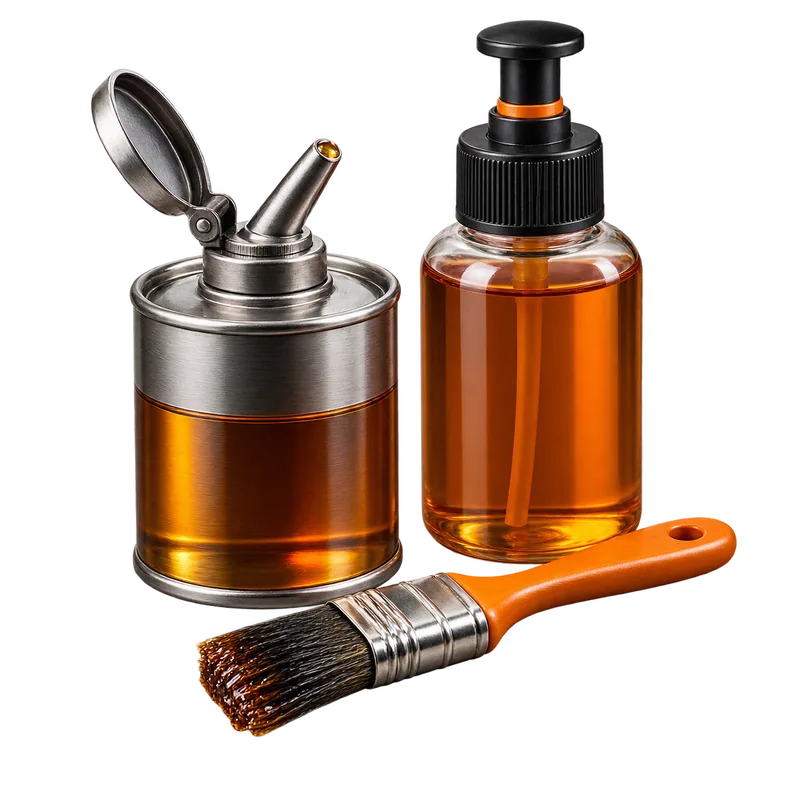
Penetrating lubricants are used to help loosen rusted, corroded or seized threaded and fitted parts before mechanical removal.
Used for
Wicking into corroded fasteners, pins and fitted components to support disassembly.
Millwright work
Shutdown teardown, pump and motor repair, flange work and equipment maintenance.
Types, packages & specifications
Aerosol, precision-applicator and bulk liquids are available. Verify exact chemistry, container size, material compatibility and performance from the manufacturer.
Surface preparation
Remove loose scale and heavy contamination where practical so the penetrant can reach the joint. Allow only the dwell time supported by the product instructions.
Buying considerations
Choose delivery method for access, application control, storage rules and amount of work expected.
Safety & handling
Use suitable ventilation and required PPE; aerosols and flammable products must follow site storage, hot-work, SDS and chemical-handling requirements.
Field note
Penetrant can help the removal process, but it does not replace the right wrenching method, heat procedure where approved, or patience with a badly corroded assembly.
Compare product options
Compare Penetrating Oils
Verified aerosol penetrants for freeing rusted or seized metal parts.
Affiliate disclosure: Some Amazon links in this section are affiliate links. I may earn a commission from qualifying purchases at no additional cost to you. As an Amazon Associate I earn from qualifying purchases.
Aerosol Penetrating Oils
Verified aerosol penetrants for freeing rusted or seized metal parts.
Penetrating oil
Kroil Original Penetrant (Aerokroil)
Manufacturer
Kano Laboratories
Model number
KS162
Product type
Penetrating oil
Amazon
Link available
Product grade: Professional
Intended use
Intended duty: Professional
Best for
Industrial penetrant with exact manufacturer SKU and package traceability.
View details & specifications
Value badge: No Value PickPrice position: Higher
Why this gradeIndustrial penetrant with exact manufacturer SKU and package traceability.
Value assessmentKroil is a capable industrial penetrant, but its per-can price is several times that of common general-purpose alternatives.
Verified identityKano Laboratories KS162, 16.5 oz aerosol.
Main tradeoff / constraintVentilate and follow the current label and SDS.
Removable medium-strength threadlockers are used on compatible threaded fasteners when vibration resistance is needed and normal service disassembly is anticipated.
Used for
Locking and sealing compatible threaded fasteners within the selected product’s verified size, material and service limits.
Millwright work
Machinery assembly, guards, brackets, equipment repair and maintenance fasteners when specified.
Types & specifications
General removable, oil-tolerant, wicking, stick and gel formulas can differ. Verify strength, fastener-size range, cure, temperature and substrate requirements for the exact product.
Surface preparation
Prepare threads according to manufacturer instructions. Metals, coatings, cleaners, contamination or primer use can affect performance.
Buying considerations
Confirm fastener size, substrate, service temperature, fluid exposure, required removal method and equipment specification before choosing a formula.
Safety & handling
Follow the current SDS, product label and facility chemical-handling requirements.
Field note
Color is not a universal specification. Match the exact product and equipment requirement. Threadlocker should not automatically be applied to every fastener.
Compare product options
Compare Removable Medium-Strength Threadlockers
Verified serviceable anaerobic threadlockers for threaded metal fasteners.
Affiliate disclosure: Some Amazon links in this section are affiliate links. I may earn a commission from qualifying purchases at no additional cost to you. As an Amazon Associate I earn from qualifying purchases.
Removable Medium-Strength Threadlockers
Verified serviceable anaerobic threadlockers for threaded metal fasteners.
Removable medium-strength threadlocker
LOCTITE 242 Blue Threadlocker
Manufacturer
Henkel / LOCTITE
Model number
IDH 492140
Product type
Removable medium-strength threadlocker
Amazon
Link available
Product grade: Professional
Intended use
Intended duty: Professional
Best for
Established industrial threadlocker with exact IDH and package traceability.
View details & specifications
Value badge: Value PickPrice position: Moderate
Why this gradeEstablished industrial threadlocker with exact IDH and package traceability.
Value assessmentThe modest price is well matched to a widely applicable removable medium-strength threadlocker that can prevent repeat fastener issues.
Verified identityHenkel / LOCTITE IDH 492140, 36 ml bottle.
Main tradeoff / constraintVerify substrate, cure conditions and service method in current TDS.
High-strength threadlockers are intended for compatible threaded assemblies where stronger retention is specifically required.
Used for
High-strength locking and sealing of compatible threaded assemblies within the exact manufacturer’s stated limits.
Millwright work
Selected machinery fasteners, studs and maintenance assemblies when high-strength retention is specifically required.
Types & specifications
General, large-fastener, high-temperature, stick and gel formulas can differ. Verify fastener size, cure, strength, temperature and removal guidance for the exact product.
Surface preparation
Clean and prepare mating threads exactly as directed; surface material, coatings, contamination, temperature and primer use can affect cure.
Buying considerations
Confirm future disassembly requirements and follow the equipment fastener specification before selecting a high-strength formula.
Safety & handling
Follow the SDS and site rules. High-strength threadlocker may require heat or special procedures for disassembly; use only approved manufacturer and equipment procedures.
Field note
Think about the next outage before using high-strength threadlocker. If routine disassembly is expected, verify that high strength is actually specified.
Compare product options
Compare High-Strength Threadlockers
Verified high-strength threadlockers for assemblies where stronger locking is specified.
Affiliate disclosure: Some Amazon links in this section are affiliate links. I may earn a commission from qualifying purchases at no additional cost to you. As an Amazon Associate I earn from qualifying purchases.
High-Strength Threadlockers
Verified high-strength threadlockers for assemblies where stronger locking is specified.
High-strength threadlocker
LOCTITE 271 Red Threadlocker
Manufacturer
Henkel / LOCTITE
Model number
IDH 487232
Product type
High-strength threadlocker
Amazon
Coming soon
Product grade: Professional
Intended use
Intended duty: Professional
Best for
Exact IDH/package with industrial manufacturer documentation.
View details & specifications
Value badge: Value PickPrice position: Moderate
Why this gradeExact IDH/package with industrial manufacturer documentation.
Value assessmentThe price is justified by a proven high-strength threadlocker for fasteners intended to remain assembled.
Verified identityHenkel / LOCTITE IDH 487232, 6 ml tube.
Main tradeoff / constraintHeat-assisted disassembly may be required; follow manufacturer instructions.
Retaining compounds are used for compatible cylindrical assemblies such as selected shaft, sleeve, hub or bearing fits when specified.
Used for
Retaining compatible cylindrical parts and filling only the clearances verified for the exact product.
Millwright work
Bearing, sleeve, bushing, hub and rotating-equipment repair where the equipment or repair procedure calls for a retaining compound.
Types & specifications
General-purpose, high-strength, large-gap and high-temperature formulas differ. Verify gap, cure, strength, temperature and material compatibility from the manufacturer.
Surface preparation
Degrease and prepare both cylindrical surfaces as directed. Surface activity, cleanliness, fit and primer or activator use can materially affect cure.
Buying considerations
Measure the actual fit and confirm the specified clearance, substrate, operating temperature, load and future serviceability.
Safety & handling
Follow the SDS and technical instructions; prevent unintended contact with surfaces or components where cured adhesive is not permitted.
Field note
Retaining compound is not a substitute for an improper fit or damaged component unless an approved repair procedure specifically allows it.
Compare product options
Compare Retaining Compounds
For cylindrical assemblies; these products do not replace correct engineered fit or OEM procedure.
Affiliate disclosure: Some Amazon links in this section are affiliate links. I may earn a commission from qualifying purchases at no additional cost to you. As an Amazon Associate I earn from qualifying purchases.
Anaerobic Retaining Compounds
For cylindrical assemblies; these products do not replace correct engineered fit or OEM procedure.
Retaining compound
LOCTITE 680 Retaining Compound
Manufacturer
Henkel / LOCTITE
Model number
IDH 1835201
Product type
Retaining compound
Amazon
Link available
Product grade: Specialty
Intended use
Intended duty: Specialty
Best for
Specialized retaining chemistry with exact 50 ml IDH traceability.
View details & specifications
Value badge: No Value PickPrice position: Higher
Why this gradeSpecialized retaining chemistry with exact 50 ml IDH traceability.
Value assessmentThe proven retaining compound is useful, but its premium price is difficult to justify for infrequent repairs.
Verified identityHenkel / LOCTITE IDH 1835201, 50 ml bottle.
Main tradeoff / constraintJoint clearance, substrate, cure and disassembly require design/manufacturer review.
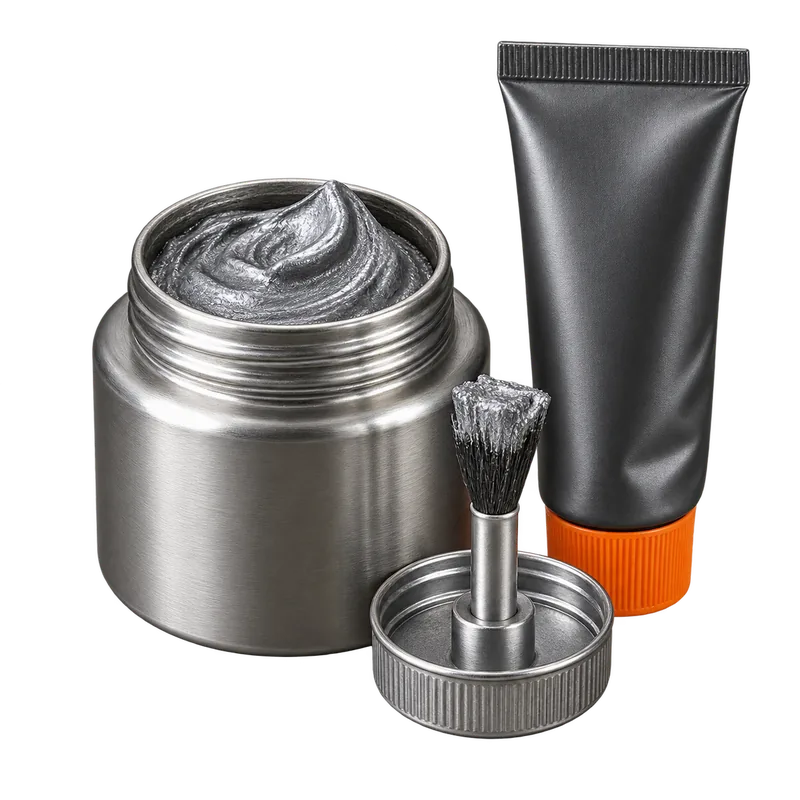
Anti-seize compounds are assembly lubricants used on compatible threaded and fitted parts to help resist galling, corrosion and seizure during service.
Used for
Selected bolts, studs, fittings and assembled surfaces exposed to heat, corrosion or repeated disassembly.
Millwright work
Flange work, machinery maintenance, hot-service assembly and threaded component installation when specified.
Types & specifications
General-purpose, copper-based, nickel-based, metal-free, brush-top, tube and stick products differ. Verify chemistry, service temperature and compatibility for the exact product.
Surface preparation
Clean threads and mating surfaces as required and apply only in the location and amount directed by the manufacturer.
Buying considerations
Match metallurgy, temperature, chemical exposure and site restrictions. Anti-seize changes friction and can affect achieved clamp load and torque relationships.
Safety & handling
Follow SDS and PPE requirements. Lubricated fasteners may require different approved torque values. Do not infer suitability for oxygen, food, electrical or other specialized service.
Field note
A little goes a long way. Manufacturer instructions, equipment specifications and approved torque procedures control the application.
Affiliate disclosure: Some Amazon links in this section are affiliate links. I may earn a commission from qualifying purchases at no additional cost to you. As an Amazon Associate I earn from qualifying purchases.
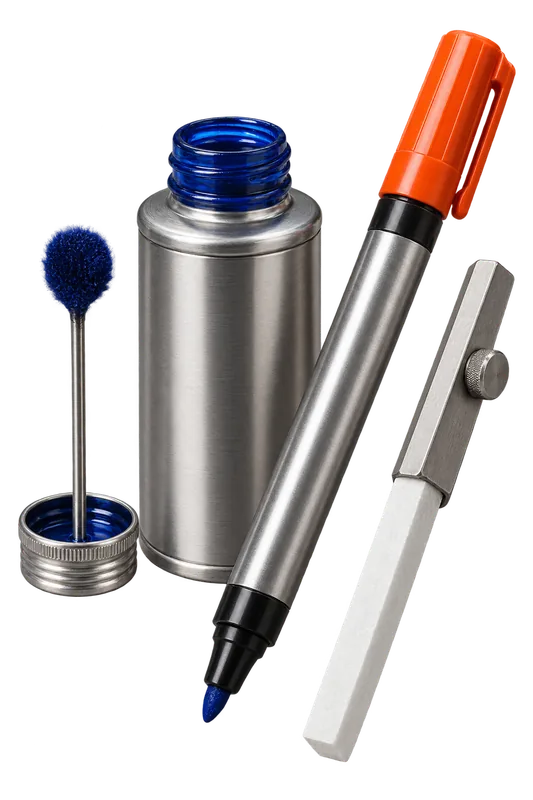
Layout fluids and marking products create visible contrast for scribed lines, layout work and inspection marks on suitable surfaces.
Used for
Making scribe lines and marks easier to see during layout, fitting, machining and inspection.
Millwright work
Fabrication, key and shim layout, equipment modification, fitting and shop inspection.
Types & specifications
Brush-on, aerosol, blue, red, remover and precision-marking products have different formulations and application methods. Verify manufacturer instructions for the exact product.
Surface preparation
Use on clean, dry, compatible surfaces so the coating or mark performs as intended.
Buying considerations
Choose application style for the work area, ventilation, surface, cleanup method and amount of work.
Safety & handling
Layout fluids and solvents require suitable ventilation and handling. Follow flammability, aerosol, PPE, SDS, site storage and hot-work requirements.
Field note
Use only the amount needed for a clear layout surface or mark and follow the exact product’s drying and removal instructions.
Compare product options
Compare Layout Fluids
Current Steel Blue packages; the legacy 16 oz aerosol affiliate record remains Owner Review because current packaging differs.
Affiliate disclosure: Some Amazon links in this section are affiliate links. I may earn a commission from qualifying purchases at no additional cost to you. As an Amazon Associate I earn from qualifying purchases.
DYKEM Steel Blue Layout Fluids
Current Steel Blue packages; the legacy 16 oz aerosol affiliate record remains Owner Review because current packaging differs.
Layout fluid
DYKEM Steel Blue Layout Fluid — Aerosol
Manufacturer
ITW Pro Brands / DYKEM
Model number
80000
Product type
Layout fluid
Amazon
Link available
Product grade: Professional
Intended use
Intended duty: Professional
Best for
Current exact professional-grade aerosol package is manufacturer documented.
View details & specifications
Value badge: Value PickPrice position: Moderate
Why this gradeCurrent exact professional-grade aerosol package is manufacturer documented.
Value assessmentThe price is reasonable for a trusted layout fluid format that supports repeated marking and inspection work.
Verified identityITW Pro Brands / DYKEM 80000, 12 oz / 340 g aerosol.
Main tradeoff / constraintCurrent source lists 12 oz; legacy owner destination is 16 oz. Flammable aerosol; follow label/SDS.
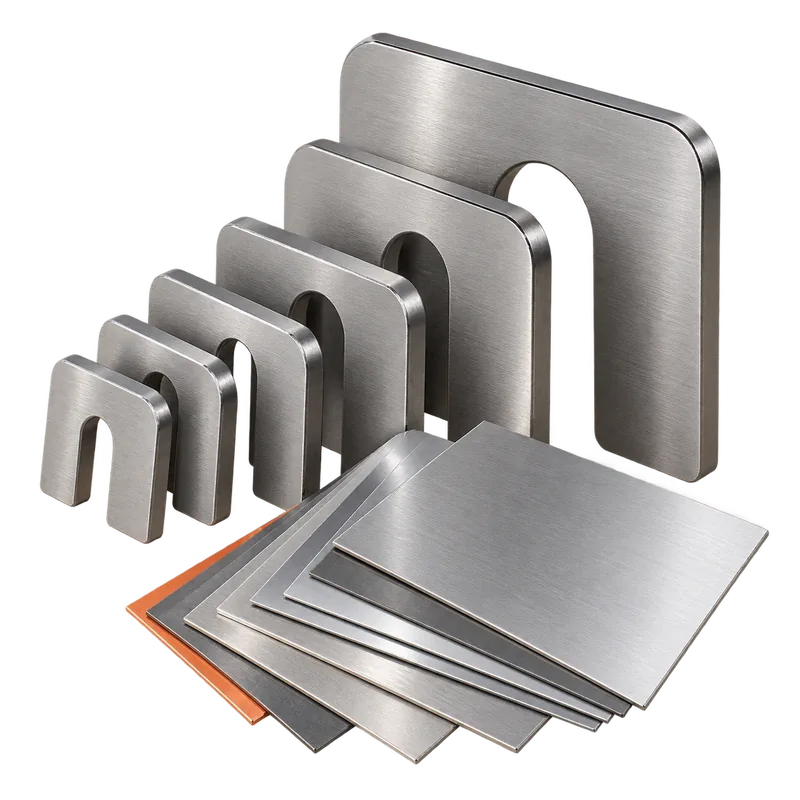
Machinery shims and shim stock provide controlled thickness for leveling, alignment and machine-foot correction during installation and maintenance.
Used for
Controlled elevation changes under machine feet and correction of vertical alignment and soft-foot conditions.
Millwright work
Pump/motor alignment, machinery installation, base setup and rotating-equipment maintenance.
Types & specifications
Precut slotted and solid shims, assortments, stainless-steel, brass, plastic and composite stock are not automatically interchangeable. Verify material, dimensions and tolerance.
Surface preparation
Machine feet, shims and support surfaces should be clean, flat and free of burrs, paint buildup, dirt and debris that would affect the stack.
Buying considerations
Match footprint, material and thickness to the application. Different materials can create corrosion or compatibility concerns; shim thickness should be measured rather than assumed.
Safety & handling
Edges can be sharp. Follow machinery isolation, lifting/support and pinch-point procedures before placing or removing shims.
Field note
Keep the stack clean and simple. Measure actual shim thickness and follow the machinery and alignment procedure for the setup.
Compare product options
Compare Precut Stainless-Steel Shims
Previously verified Alignment products. The ambiguous legacy 2 × 2 in / ~130-piece owner link is not attached.
Affiliate disclosure: Some Amazon links in this section are affiliate links. I may earn a commission from qualifying purchases at no additional cost to you. As an Amazon Associate I earn from qualifying purchases.
Precut Stainless-Steel Shim Kits
Previously verified Alignment products. The ambiguous legacy 2 × 2 in / ~130-piece owner link is not attached.
Precut stainless-steel shim kit
Accushim A-MINI KIT
Manufacturer
Accushim
Model number
A-MINI KIT
Product type
Precut stainless-steel shim kit
Amazon
Coming soon
Product grade: Professional
Intended use
Intended duty: Professional
Best for
Exact SKU, size, count, thickness assortment and manufacturer source were previously verified.
View details & specifications
Value badge: Value PickPrice position: Moderate
Why this gradeExact SKU, size, count, thickness assortment and manufacturer source were previously verified.
Value assessmentThe organized stainless mini-shim assortment offers good value by reducing field cutting and sorting time.
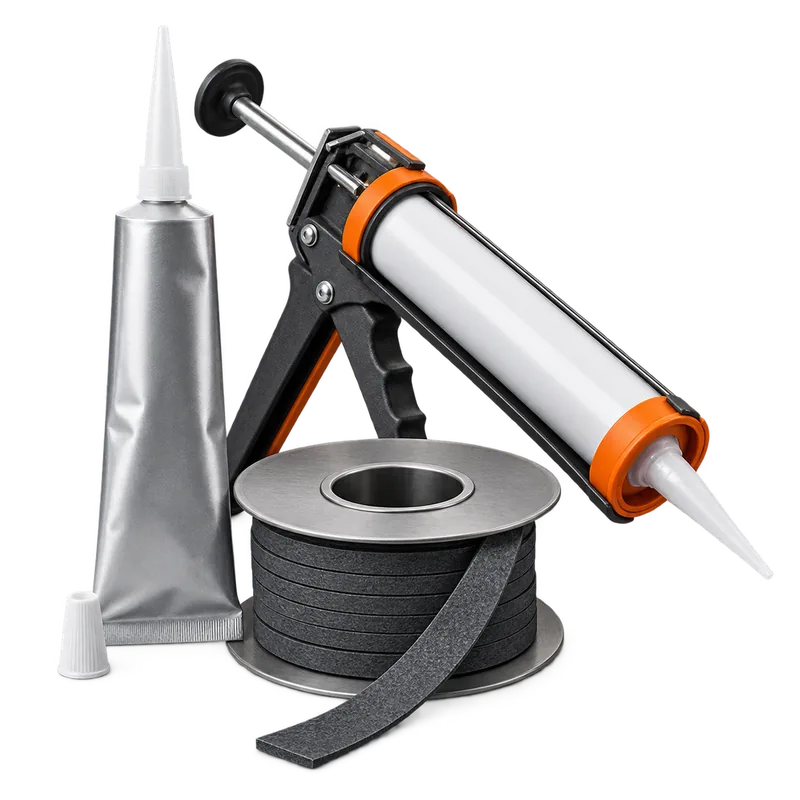
Gasket makers and flange sealants are form-in-place products used on compatible flanges or housings only when equipment and sealant instructions permit their use.
Used for
Sealing specified flange faces, covers, gearcases and housings against compatible service fluids.
Millwright work
Gearbox, pump, machinery housing and flange reassembly during maintenance and repair.
Types & specifications
RTV silicone, anaerobic flange sealants, high-temperature formulas, oil-resistance formulas and gasket dressings differ. Verify chemistry, resistance, cure, gap and temperature only from the manufacturer.
Surface preparation
Remove old gasket material without damaging sealing faces; clean, dry and prepare surfaces exactly as required for the selected chemistry.
Buying considerations
Confirm flange type, gap, surface finish, service fluid, temperature, cure requirements and equipment instructions. Some assemblies require a cut gasket instead.
Safety & handling
Follow SDS, ventilation, skin/eye protection and cure instructions. Do not overapply where excess material could enter equipment or passages.
Field note
The right bead size matters. Manufacturer instructions, equipment specifications and site procedures control the application.
Compare product options
Compare Gasket Makers & Flange Sealants
Verified RTV and anaerobic products; match product to flange design, materials, fluids, gap and cure requirements.
Affiliate disclosure: Some Amazon links in this section are affiliate links. I may earn a commission from qualifying purchases at no additional cost to you. As an Amazon Associate I earn from qualifying purchases.
Gasket Makers & Flange Sealants
Verified RTV and anaerobic products; match product to flange design, materials, fluids, gap and cure requirements.
Gasket maker / flange sealant
Permatex Ultra Grey RTV Silicone Gasket Maker
Manufacturer
Permatex
Model number
82194
Product type
Gasket maker / flange sealant
Amazon
Link available
Product grade: General Purpose
Intended use
Intended duty: General Purpose
Best for
Exact current RTV package with manufacturer application directions.
View details & specifications
Value badge: Value PickPrice position: Lower
Why this gradeExact current RTV package with manufacturer application directions.
Value assessmentThe low price and broad automotive/industrial availability make this a practical RTV gasket-maker value.
Verified identityPermatex 82194, 3 oz tube.
Main tradeoff / constraintNot recommended for head gaskets or parts continuously contacting gasoline.
Selection & handling reminder: Verify the exact manufacturer, part number, current technical data and SDS before use. Confirm material compatibility, application limits, surface preparation, cure or service conditions, and follow manufacturer instructions and workplace procedures.
Application first
Select consumables for the actual job
Brand recognition is useful, but the application, materials, environment and equipment procedure should decide the chemistry or material you use.
Seized fastener removal
Start with condition and access. Choose a compatible penetrant and allow the instructed dwell time; use the approved mechanical or heat-removal procedure where applicable.
Fastener locking
Match threadlocker strength, thread size, substrate, service temperature and future disassembly needs to the equipment or engineering specification.
Bearing & sleeve installation
Check measured fits and the OEM procedure first. Use retaining or assembly compounds only where specified and within their clearance and temperature limits.
Machinery shimming
Use clean, appropriately sized, corrosion-resistant shims with verified thickness. Correct dirty or damaged support surfaces rather than trying to shim over them.
Flange & gearbox sealing
Select gasket or sealant chemistry for the flange design, service fluid, temperature, gap, surface condition and cure requirements. Follow specified bead size and assembly timing.
Layout & inspection
Choose marking products that provide useful contrast without interfering with later welding, coating, cleanliness or inspection requirements.
High-temperature assembly
Verify actual operating temperature, metallurgy, fastener torque procedure and chemical exposure. High-temperature labels do not make every anti-seize suitable for every joint.
Corrosion prevention
Match temporary or long-term protection to metal type, indoor/outdoor exposure, storage duration and the cleaning required before the component returns to service.
Use the governing procedure.
Manufacturer instructions, equipment specifications, current technical/safety data and site procedures take precedence over this general directory. No single consumable is suitable for every material, temperature, fluid or application.
Chemical & jobsite safety
Check compatibility before the cap comes off.
Read the current product label, technical data sheet and safety data sheet.
Follow site chemical approval, ventilation, PPE, storage and disposal requirements.
Confirm material, fluid and temperature compatibility for the exact application.
Keep chemicals away from ignition sources when the product instructions require it.
Do not let lubricants, anti-seize or thread compounds unintentionally change a specified fastener torque condition.
Millwright tool questions
Frequently asked questions
Practical answers for comparing tools, planning the work and choosing equipment for the actual assignment.
LOCTITE 242 vs Permatex Medium Strength Blue: which threadlocker should I use?
Both are removable medium-strength threadlocker products, but selection must follow the exact fastener size, materials, temperature, cleanliness, cure conditions, service fluid exposure and equipment specification. Check the current technical data sheet rather than substituting by color alone.
Threadlocker vs anti-seize: what is the difference?
Threadlocker is used to retain and seal compatible threaded fasteners under specified conditions, while anti-seize is used to reduce galling, corrosion and disassembly difficulty where permitted. They serve different purposes and can change friction and torque relationships, so follow the equipment procedure and product instructions.
What consumables belong on a millwright outage list?
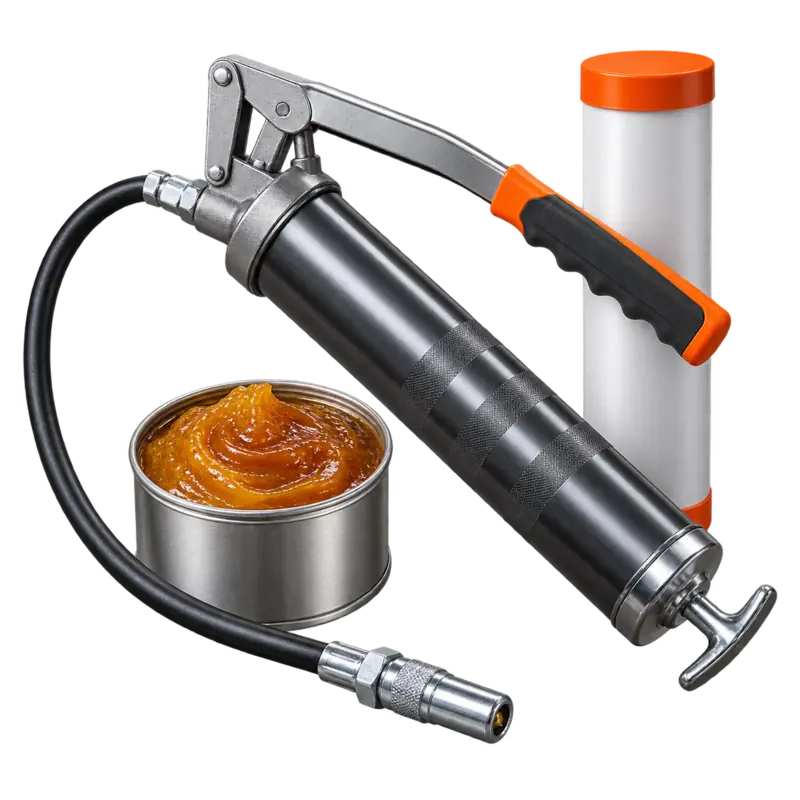
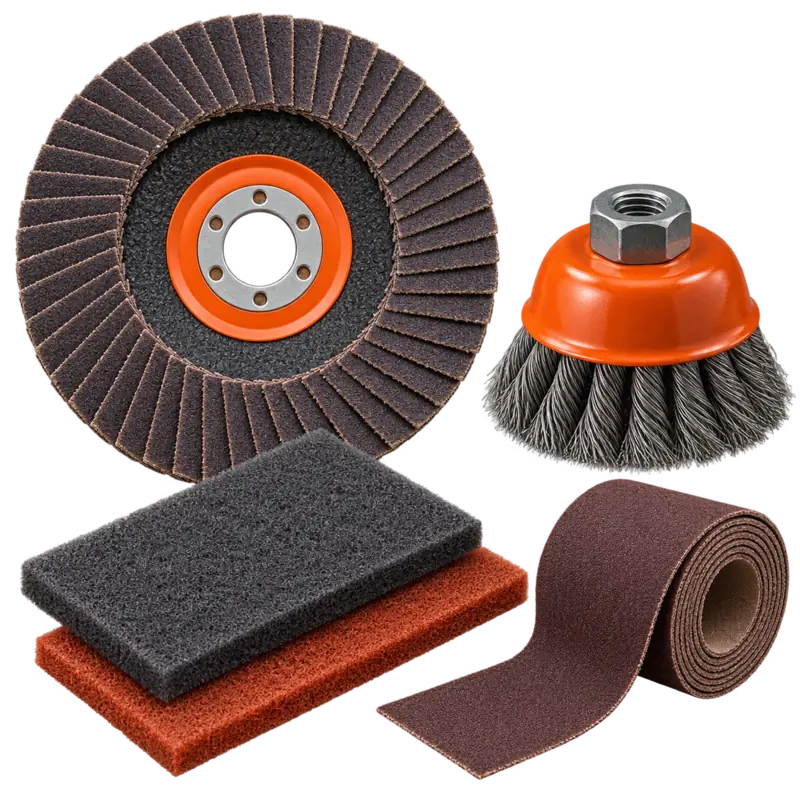
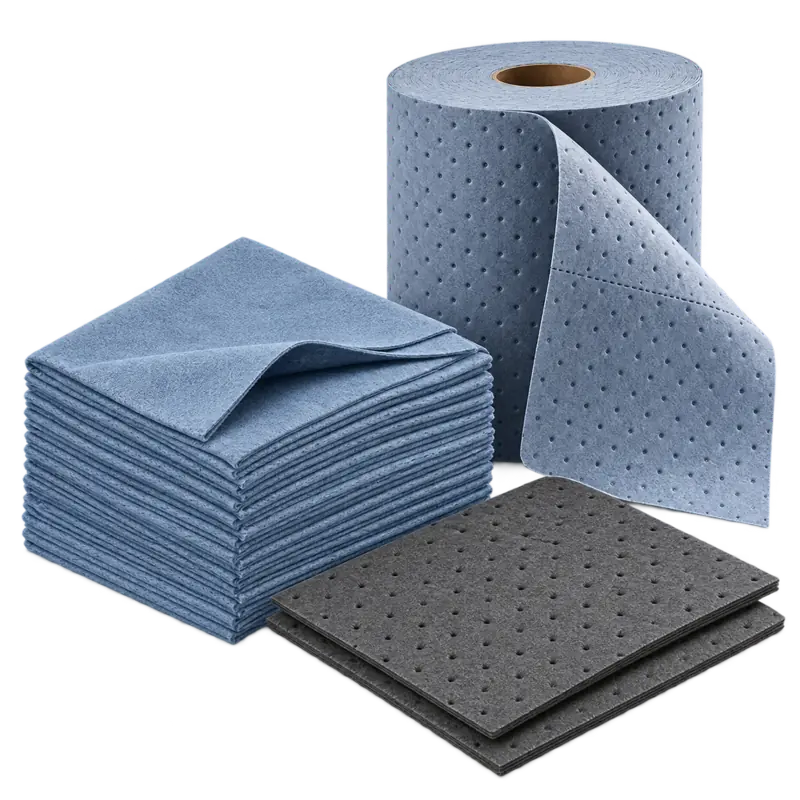
Common outage consumables include approved penetrating oil, anti-seize or threadlocker where specified, layout and marking products, cleaning supplies, absorbents, abrasives, lubricants, sealants and organized shim material. Build quantities from the work package and site controls instead of carrying one chemical for every application.
Pre-cut machinery shims vs shim stock: which should I choose?
Pre-cut stainless shims support clean, repeatable machine-foot adjustments and easy thickness identification. Shim stock is useful when a required shape or size is unavailable, but it must be cut, deburred, measured, kept clean and installed without creating unsafe projections or unstable stacks.
New and improved across the directory
Recently updated and related
Jump from the directory into the most useful supporting guide, related method or reviewed product group.