Field-tested information for industrial millwrightsExperience in the trade since 1995

Everyday jobsite essentials

Millwright hand tools

Practical hand tools for equipment tear-down, assembly, fitting, bolting, layout and machinery installation—organized around the work millwrights actually perform.

View featured tools

Quick navigation

Jump to a tool group

Skip directly to a selection guide and its exact-product comparisons.

11 essential tool groups

Start with dependable everyday tools, then choose sizes and features that match your work, employer requirements and the conditions on your jobsite.

Recently added: 3 productsmaintenance file set, ball pein hammer and cold chisel set
View recently added products

Verified additions

Files, Hammer and Chisels

Exact owner-selected hand tools added August 17, 2026.

Maintenance and metalworking
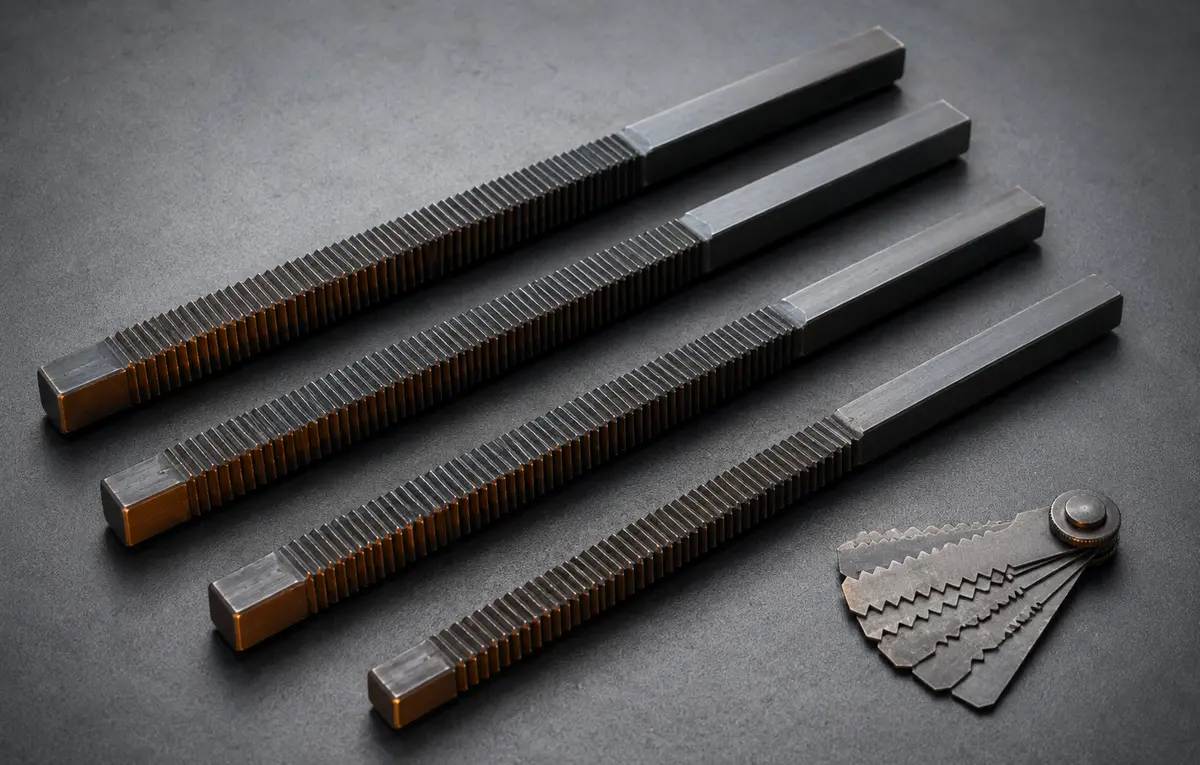
Original brand-neutral illustration of a nine-piece maintenance file set

Nine-piece maintenance file set

Crescent Nicholson 22030NNN Maintenance File Set
Manufacturer
Crescent Nicholson
Model
22030NNN
Product type
6-, 8- and 10-inch file assortment
Amazon
Link available
Product grade: Professional
Intended use

general maintenance filing and shaping

Best for

A portable assortment of flat, half-round, round, mill, rasp and taper profiles.

View details & specifications
Value badge: Value PickPrice position: Moderate

Value assessmentThe price is reasonable for a compact multi-file maintenance set that covers common deburring and shaping tasks.

Information last reviewed2026-08-24

Pieces
9
Nominal lengths
6, 8 and 10 in
Material
Steel
Included
Storage pouch
Catalog weight
3.45 lb
Manufacturer source
Official product information
Verified
2026-08-17

Field note: Fit a proper handle where required, secure the work and wear task-appropriate eye protection.

Check price on Amazon
Original product-focused illustration representing a ball pein hammer

Ball pein hammer

Vaughan TC120 / VN15630 20 oz Ball Pein Hammer
Manufacturer
Vaughan
Model
TC120 / VN15630
Product type
hickory-handle ball pein hammer
Amazon
Link available
Product grade: Professional
Intended use

controlled metalworking strikes

Best for

General peening, forming and pin work with a traditional hickory handle.

View details & specifications
Value badge: Value PickPrice position: Moderate

Value assessmentThe price is reasonable for a durable 20-ounce ball-pein hammer from an established striking-tool maker.

Information last reviewed2026-08-24

Head weight
20 oz
Handle length
15 in
Head
Drop-forged, heat-treated high-carbon steel
Handle
Compression-wedged hickory
Manufacturer source
Official product information
Verified
2026-08-17

Field note: Inspect the head, eye and handle before use; use eye protection and retire damaged tools.

Check price on Amazon
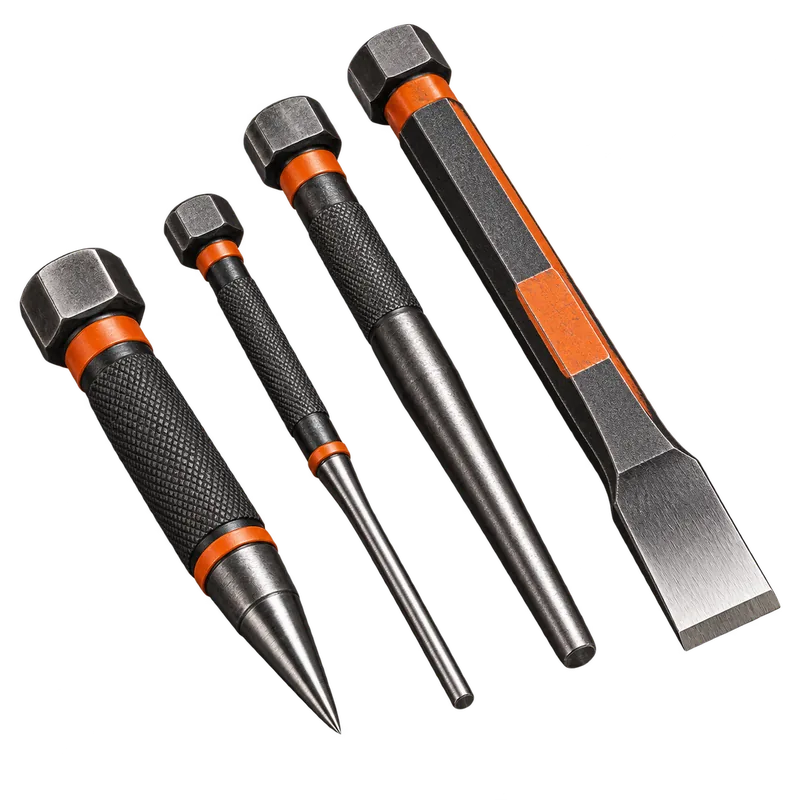
Original product-focused illustration representing a cold chisel set

Five-piece cold chisel set

Proto J86CS2 5-Piece Cold Chisel Set
Manufacturer
Proto
Model
J86CS2
Product type
cold chisel set with pouch
Amazon
Link available
Product grade: Professional
Intended use

cold cutting and chipping of suitable metals

Best for

Maintaining a compact range of hand-ground cold chisels in one pouch.

View details & specifications
Value badge: Value PickPrice position: Moderate

Value assessmentThe price is justified by a reusable five-size industrial chisel set for recurring metal-cutting and fit-up work.

Information last reviewed2026-08-24

Pieces
5 cold chisels
Material
S2 steel, specially heat-treated
Striking end
Modified parabolic profile
Finish
Black oxide
Included
Storage pouch
Manufacturer source
Official product information
Verified
2026-08-17

Field note: Wear eye and face protection, use the correct hammer, and remove chipped or mushroomed chisels from service.

Check price on Amazon

Additional hand-tool groups

Selection basics for the remaining groups

These overview destinations keep the directory navigation accurate while detailed exact-product comparisons are researched and verified.

Bolting and fitting

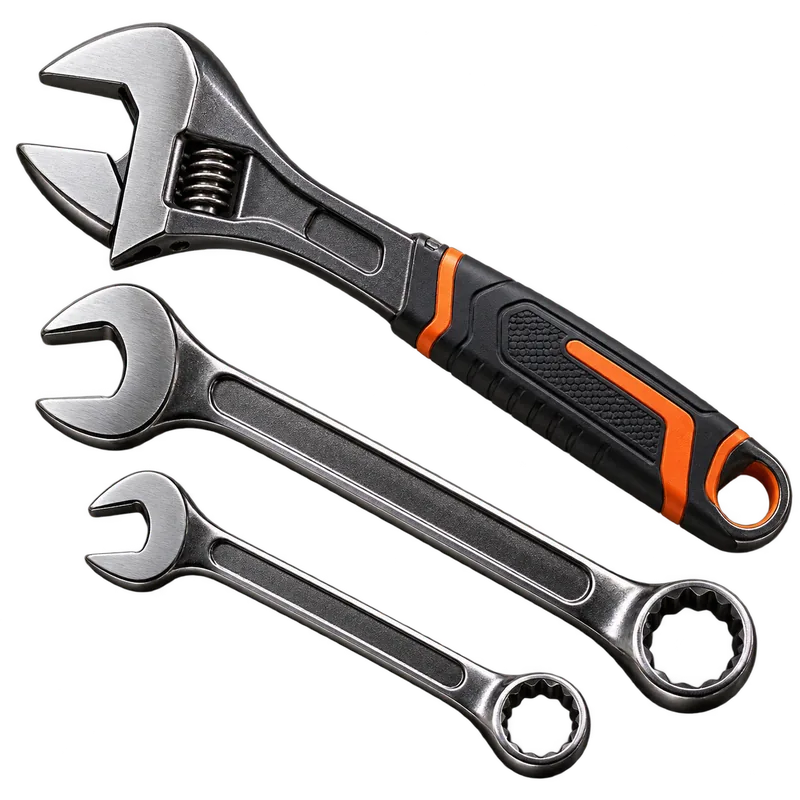
Adjustable & combination wrenches

Match fastener size, jaw capacity, handle length, jaw geometry and working clearance. Build SAE or metric combination-wrench coverage around the machinery and site requirements you actually encounter.

Group overview — exact-product comparisons pending verification.

Assembly and teardown

Sockets & ratchets

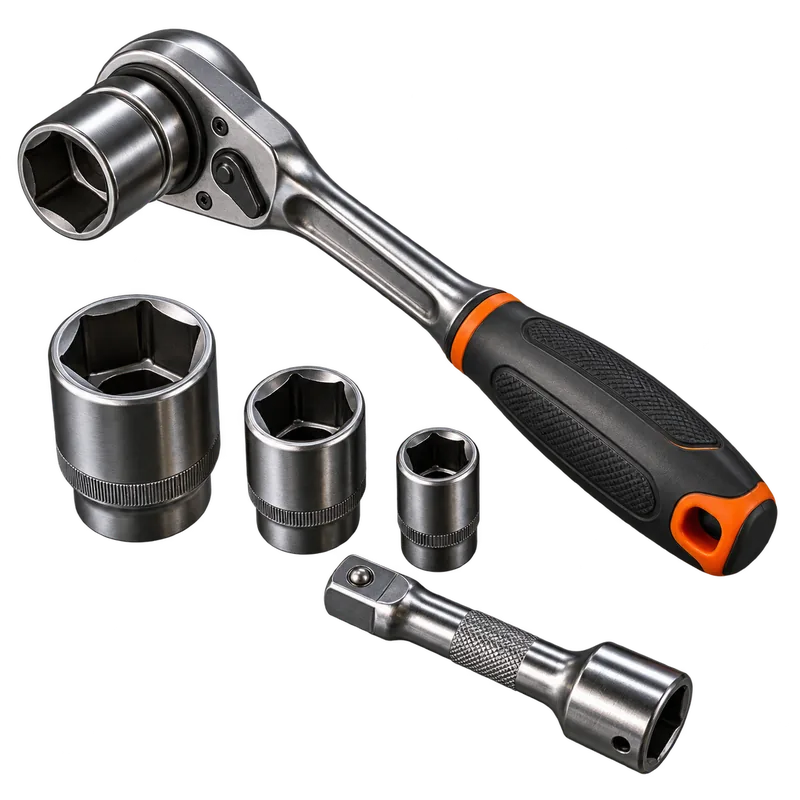
Choose the correct drive size, six- or twelve-point geometry, shallow or deep reach and extension arrangement. Impact work requires impact-rated sockets and accessories throughout the load path.

Group overview — exact-product comparisons pending verification.

Guards and small fasteners

Screwdrivers & nut drivers

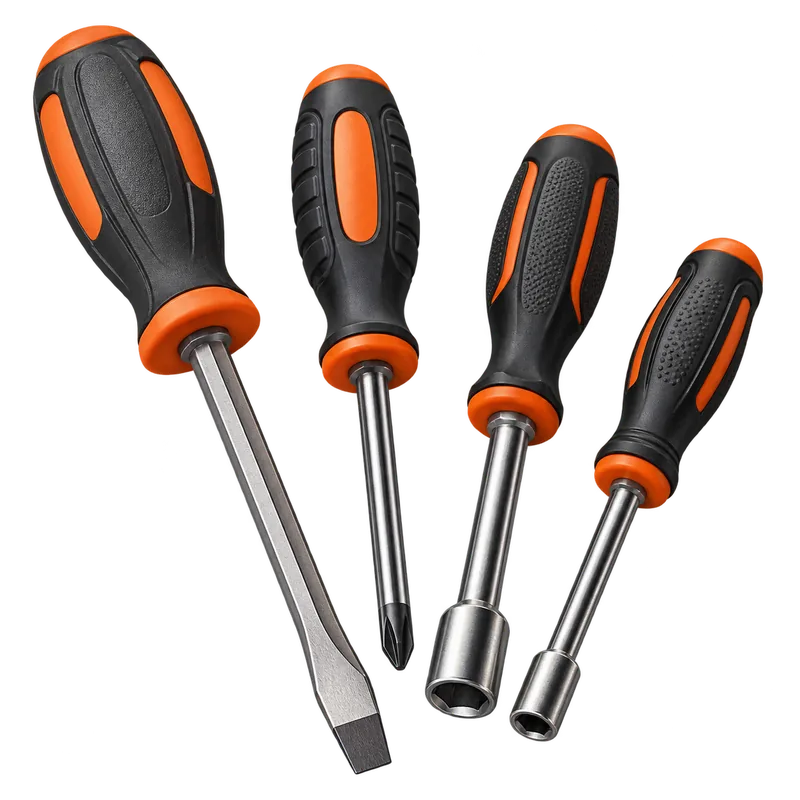
Match tip profile and size precisely, then select shaft length, handle shape and nut-driver depth for the access. Insulated tools only substitute for an electrically safe work procedure when the exact rating and procedure permit them.

Group overview — exact-product comparisons pending verification.

Pin work and separation

Punches & chisels

Separate pin, taper, center and alignment-punch duties instead of treating every punch alike. Match diameter, length and point geometry, and remove tools with mushroomed, chipped or damaged struck ends from service.

Group overview — exact-product comparisons pending verification.

Controlled fit-up

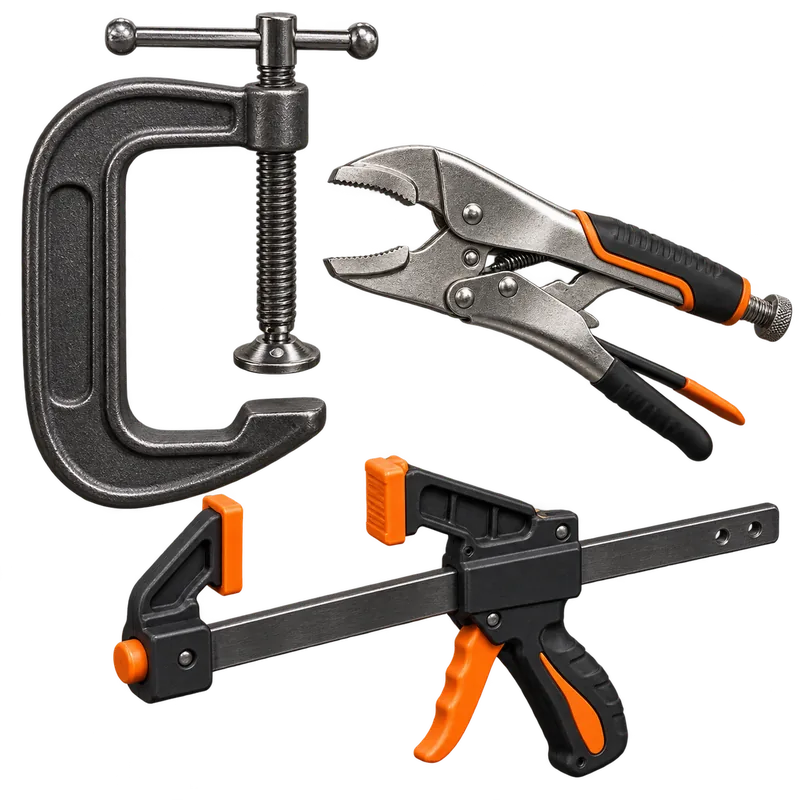
Clamps & holding tools

Compare opening capacity, throat depth, pad style, clamping force and frame clearance against the actual fit-up. Keep hands clear of stored force and use purpose-built rigging—not shop clamps—for suspended loads.

Group overview — exact-product comparisons pending verification.

Reference and layout

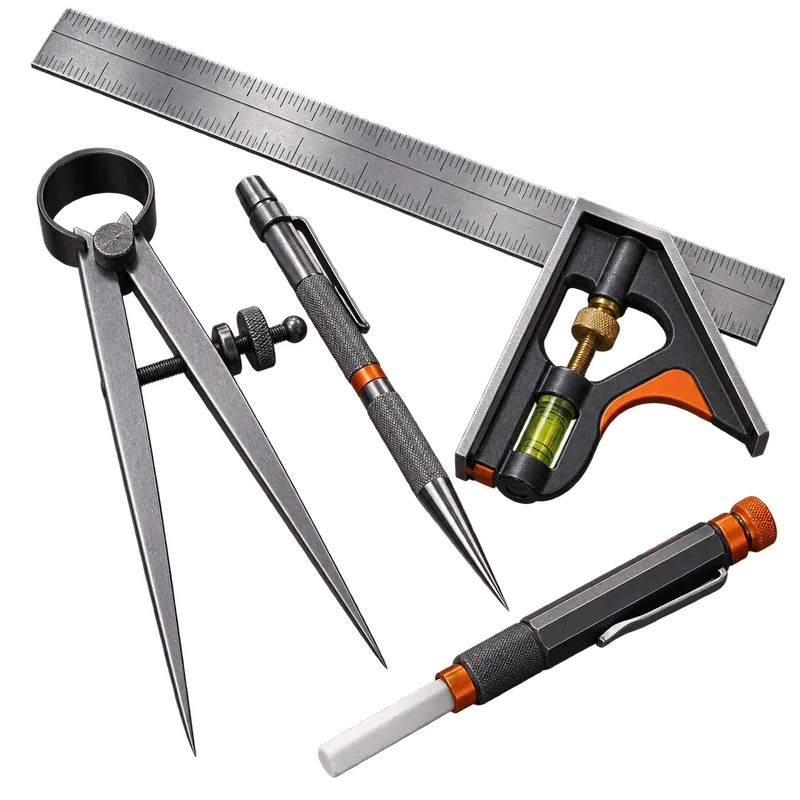
Layout & marking tools

Select rules, squares, scribes, punches and marking media for the required accuracy, material and surface condition. Protect reference surfaces and verify the datum before committing a permanent mark.

Group overview — exact-product comparisons pending verification.

Before you buy

Choose for the work, not just the toolbox.

  • Fit: Match exact size, reach, capacity, surface and access to the work; price position does not determine suitability.
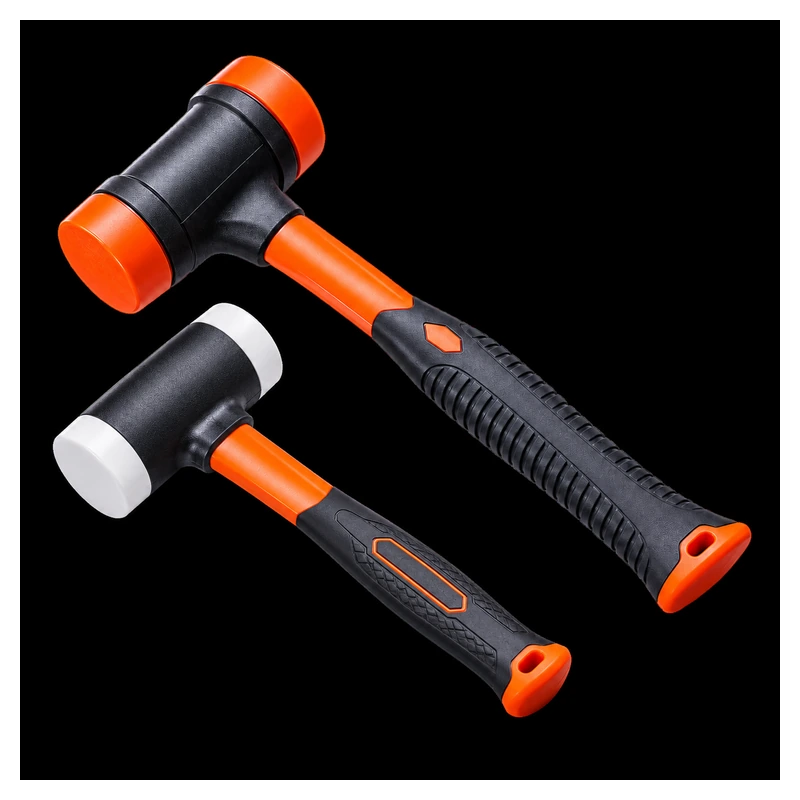
  • Condition: Inspect before use. Remove worn, cracked, bent, loose or mushroomed tools from service; damaged dead-blow shells, faces and handles must be retired.
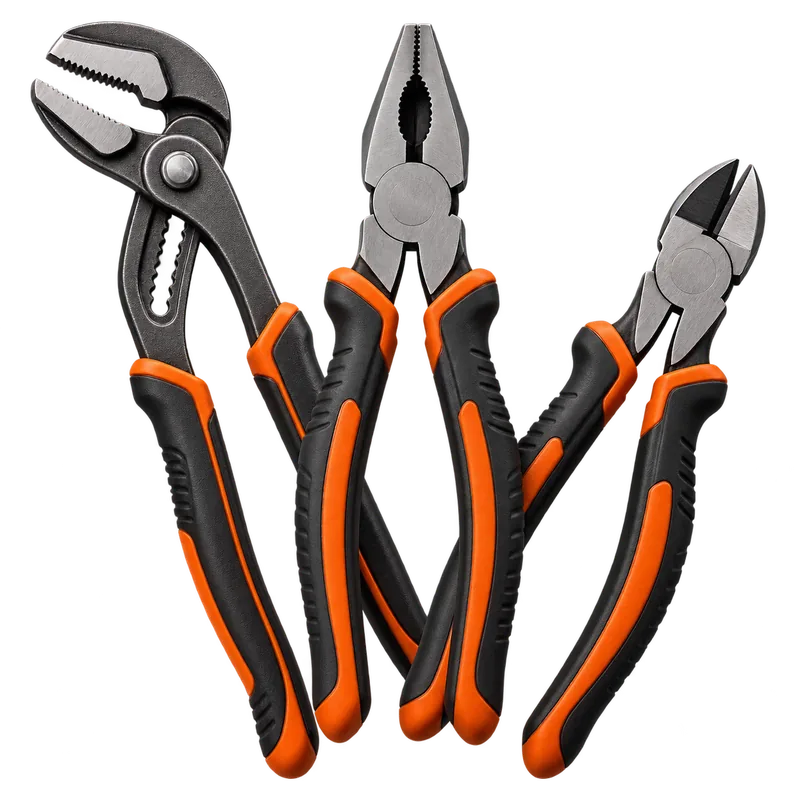
  • Use: Do not add cheater pipes. Keep fingers and body parts clear of pinch points. Pliers are not for energized circuits unless specifically rated and approved.
  • Positioning: Product grade is not a safety certification. Value Pick does not permit misuse, and Premium does not make a tool suitable for every job.
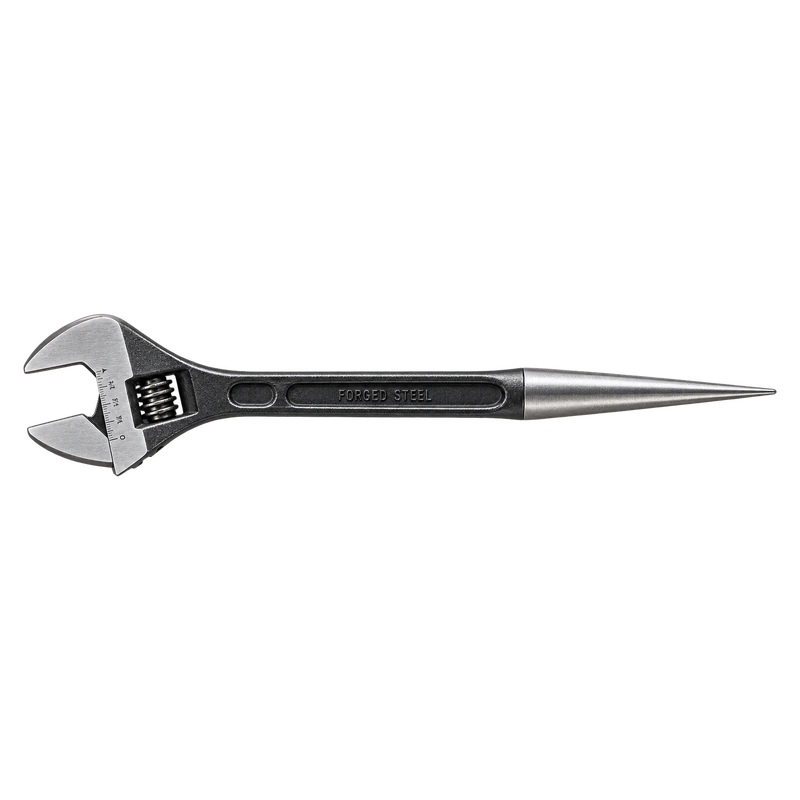
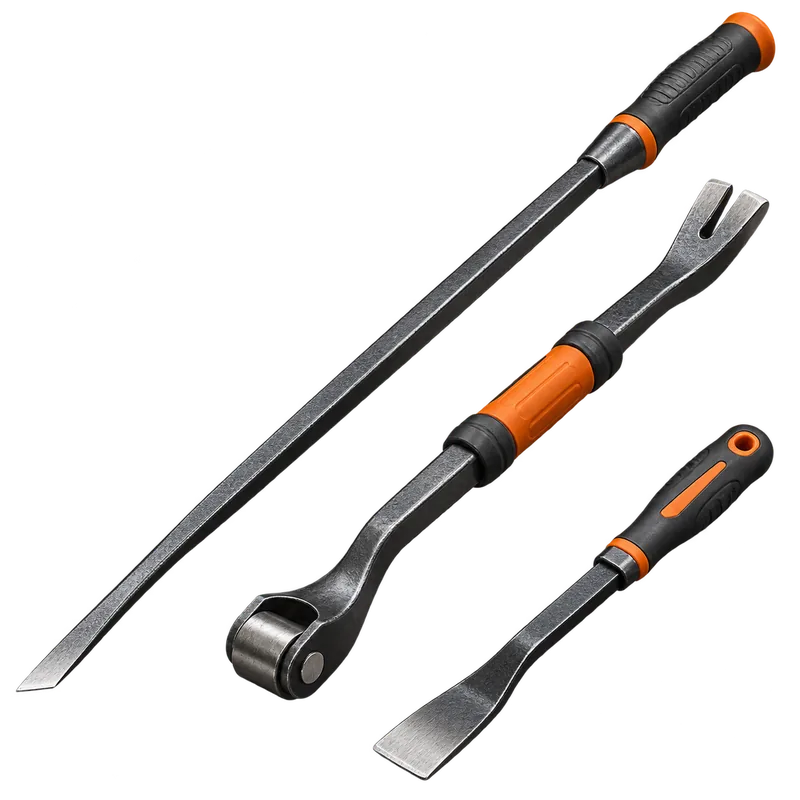
  • Control: Match tools to the task, load and access. Use stable fulcrums and planned movement paths for pry bars; spud handles are for alignment and positioning, not cheater use.
  • Requirements: Manufacturer instructions, verified tool ratings and workplace requirements remain controlling.

Millwright tool questions

Frequently asked questions

Practical answers for comparing tools, planning the work and choosing equipment for the actual assignment.

What is the difference between a spud wrench and a regular adjustable wrench?

A spud wrench combines an adjustable or fixed wrench opening with a tapered handle used for controlled alignment of suitable bolt holes and parts. A regular adjustable wrench is primarily for turning compatible fasteners and does not provide the same alignment handle; neither tool should be used as a striking tool unless its manufacturer specifically permits it.

KNIPEX Cobra 87 01 250 vs CHANNELLOCK 420: which is better for millwright work?

The KNIPEX Cobra 87 01 250 emphasizes push-button adjustment, many jaw positions and self-clamping geometry, while the CHANNELLOCK 420 uses a traditional tongue-and-groove joint and straight jaw. The better choice depends on preferred adjustment style, capacity, surface-marking concerns, budget and the gripping work actually performed.

What hand tools belong in a millwright outage toolbox?

Common outage hand tools include appropriate wrench and socket coverage, pliers, striking tools, punches, chisels, screwdrivers, hex keys, aligning bars, measuring and marking basics, lighting and organized storage. The turbine, plant, contractor and assigned scope determine the extra sizes and specialty tools.

When should a millwright use an aligning bar instead of a pry bar?

Use an aligning bar when its point and length suit controlled hole or part alignment, and use a pry bar when its blade and leverage suit controlled positioning. Verify the bar is rated and shaped for the task, maintain stable footing and pinch-point control, and never substitute either tool for engineered lifting equipment.

Continue browsing

Find the rest of the millwright toolbox.

Continue with alignment tools or rigging equipment, or return to the complete directory for precision, storage, power tools, PPE and machinery installation equipment.

All tool categories